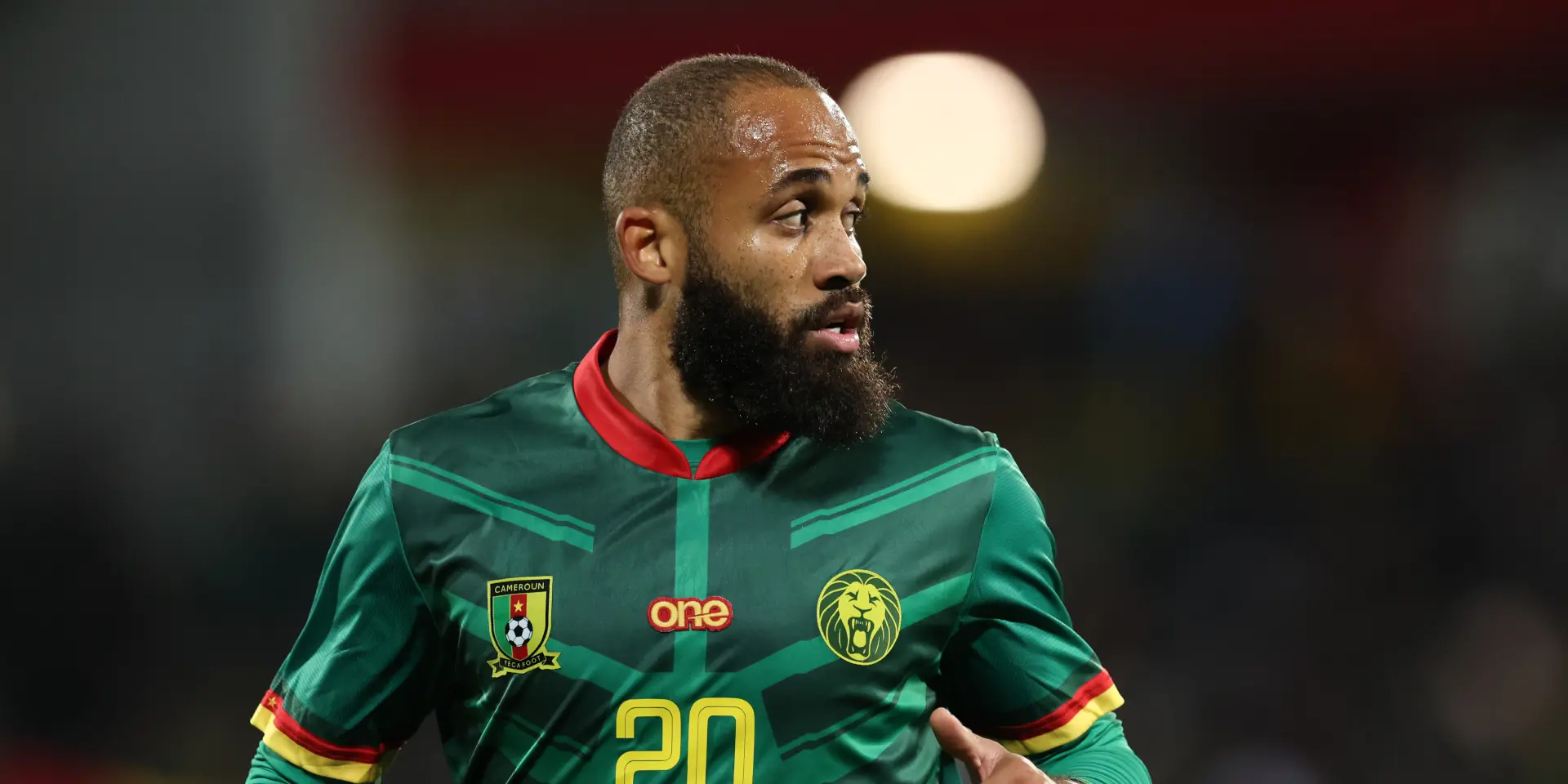

Bryan Mbeumo declines Cameroon captaincy ahead of AFCON, choosing to focus on his on-pitch performance. What this decision means for Cameroon and the tournament.
Quick Summary
Bryan Mbeumo declines Cameroon captaincy ahead of the upcoming AFCON tournament, choosing to focus solely on his performances on the pitch. The decision, reported by L’Équipe 237, has sparked mixed reactions among fans and analysts.
While some view it as a missed leadership opportunity, others see it as a mature and self-aware choice from a player prioritizing performance over status.
Why This Decision Matters
The Africa Cup of Nations is not just another tournament. For African players, AFCON carries immense pride, pressure, and expectation. Captaining your nation at such a stage is often viewed as the peak of international recognition.
That is why Bryan Mbeumo’s AFCON captaincy decision has sparked debate. Turning down the armband is rare, especially for a player at the peak of his influence and visibility. But context matters and this decision deserves to be understood, not judged at face value.
Player Details: Who Is Bryan Mbeumo?
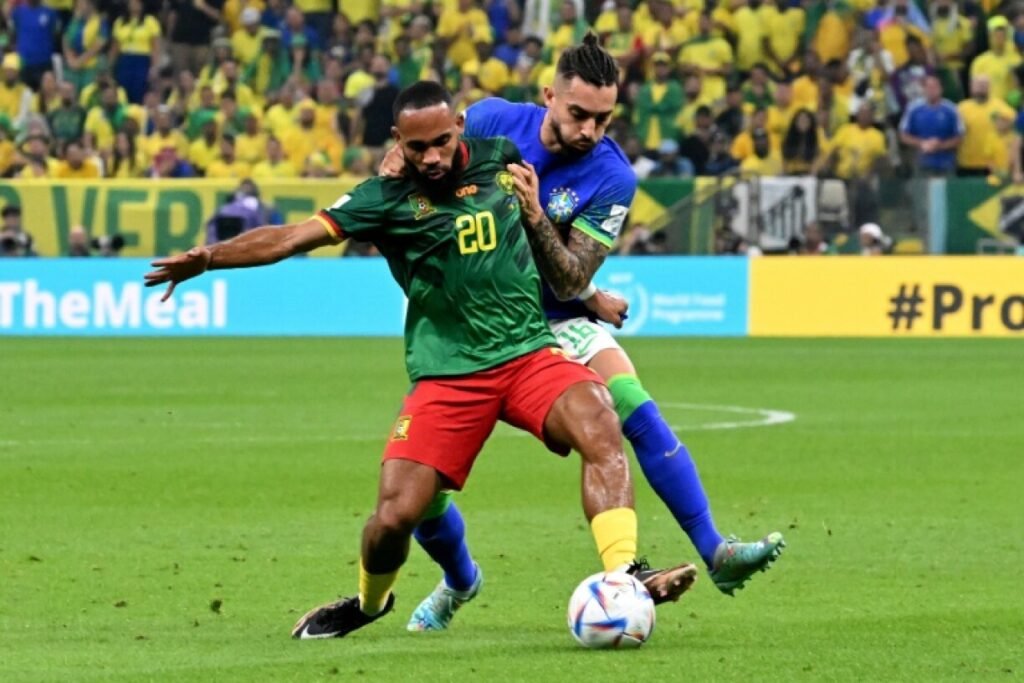
Bryan Mbeumo is not just another squad member. He is one of Cameroon’s most technically gifted attackers and a player who has steadily grown into international football.
- Age: 25
- Position: Forward / Wide Attacker
- Club Level: Regular starter at top European level
- International Role: Key attacking outlet for Cameroon
Known for his pace, direct dribbling, and intelligent movement, Mbeumo has become an important tactical weapon. His versatility allows him to operate across the front line, making him valuable in tournament football where adaptability is crucial.
Despite his influence, Bryan Mbeumo declines Cameroon captaincy, a decision rooted in self-assessment rather than hesitation.
The Captaincy Situation Explained
According to reports, the Cameroon camp approached Mbeumo as a potential captaincy candidate ahead of AFCON preparations. This was not accidental. His professionalism, experience abroad, and growing influence made him a logical option.
However, Bryan Mbeumo declines Cameroon captaincy with a clear reason: he wants to focus entirely on his football.
In his view, leadership does not always require an armband. Instead, it can be demonstrated through:
- Consistent performances
- Tactical discipline
- Supporting teammates through actions, not authority
This approach reflects a modern football mindset, one where leadership is distributed rather than centralized.
Analysis: Is This the Right Decision?
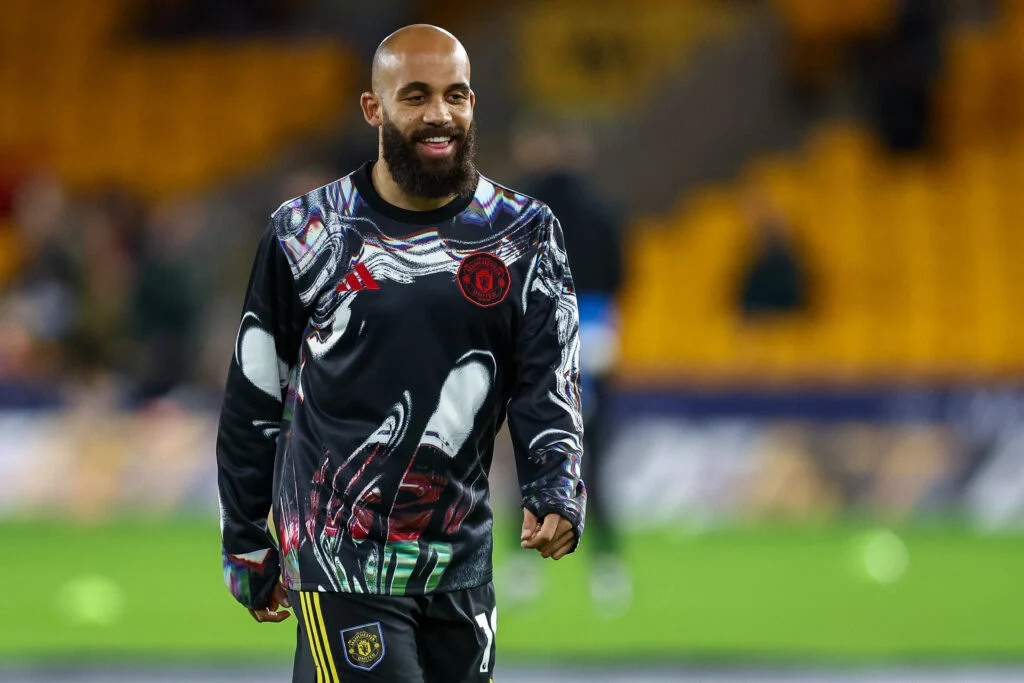
From a personal perspective, Bryan Mbeumo declines Cameroon captaincy for reasons that make sense. AFCON is a physically and mentally demanding tournament. Adding captaincy pressure can affect performance, especially for attacking players whose primary job is execution.
Why This Decision Makes Sense
- Reduces off-field pressure
- Allows full concentration on attacking duties
- Avoids distraction from media and leadership scrutiny
Possible Downsides
- Missed opportunity to shape team culture
- Fans may interpret it as lack of ambition
- Coaching staff must adjust leadership plans
Still, football history shows that not all captains are the team’s best players. Sometimes, the most effective leaders are those who allow stars to focus purely on impact.
Fan Reaction and Public Debate
As expected, Bryan Mbeumo declines Cameroon captaincy has divided opinion.
Some fans believe:
- National duty should come with leadership responsibility
- Star players should embrace captaincy
Others argue:
- Performance matters more than titles
- Forced leadership can weaken team balance
This debate reflects a broader shift in football culture from symbolic leadership to functional roles.
Tactical Impact on Cameroon
With Bryan Mbeumo declining the captaincy, Cameroon’s coaching staff must assign the armband elsewhere. This could benefit the team tactically.
A more defensively positioned captain may:
- Communicate better with referees
- Organize the team shape
- Allow attackers to focus on transitions
Meanwhile, Mbeumo remains free to:
- Press aggressively
- Make direct runs
- Take creative risks
In tournament football, clarity of role often determines success.
AFCON Context: Pressure and Expectations
AFCON is not just another competition. It is emotionally charged, physically intense, and politically significant. Captains often serve as spokespeople during controversy, refereeing disputes, and media pressure.
By choosing not to take on this role, Bryan Mbeumo declines Cameroon captaincy in favor of football purity, a decision that could preserve his mental sharpness throughout the tournament.
What This Says About Mbeumo’s Character
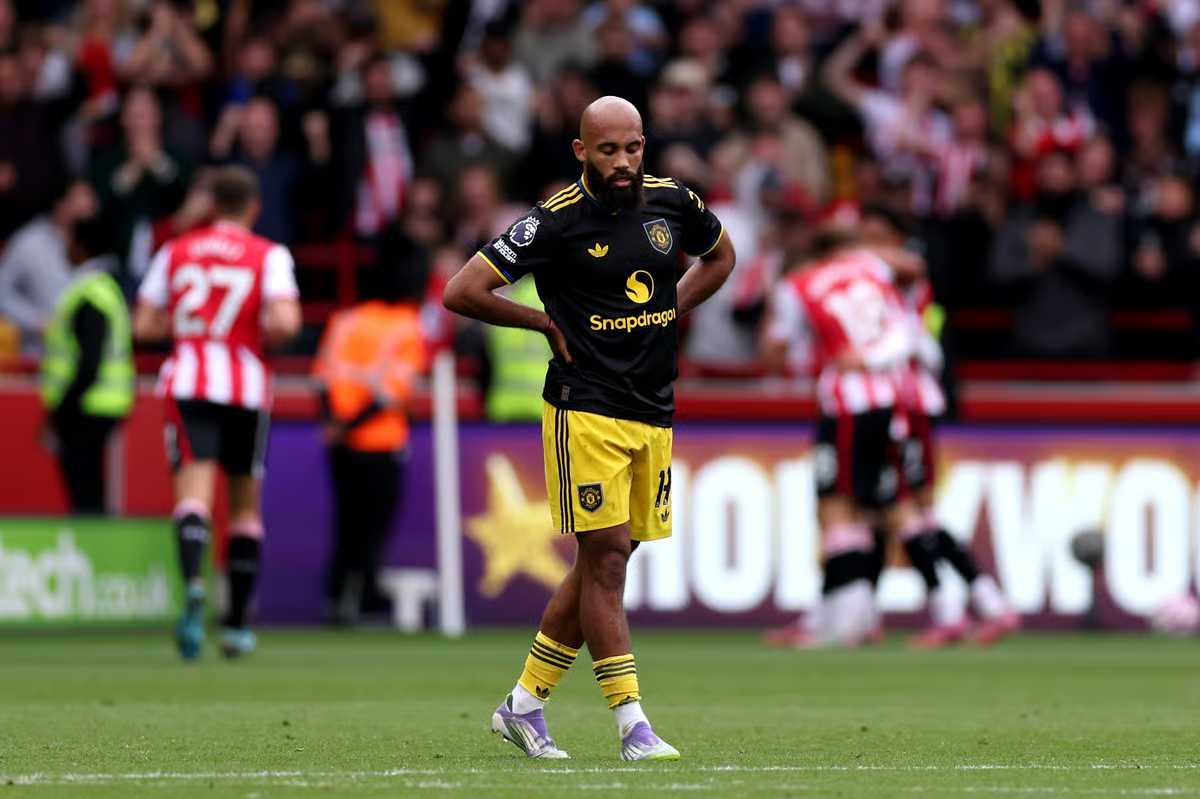
Contrary to criticism, this decision suggests maturity. It takes self-awareness to acknowledge where you can add the most value.
Bryan Mbeumo declines Cameroon captaincy not out of fear, but clarity:
- He knows his strengths
- He understands his responsibilities
- He values team success over personal recognition
In modern football, this mindset is increasingly respected.
What Next for Cameroon?
With AFCON approaching, Cameroon will:
- Finalize captaincy selection
- Solidify tactical roles
- Integrate leadership across the squad
For Mbeumo, the focus remains unchanged:
- Fitness
- Match sharpness
- Consistent attacking output
If performances deliver, the captaincy conversation may become irrelevant.
What do you think about this decision?
Should star players always accept the captain’s armband, or is focusing on performance the smarter move?
More updates coming as the story develops.