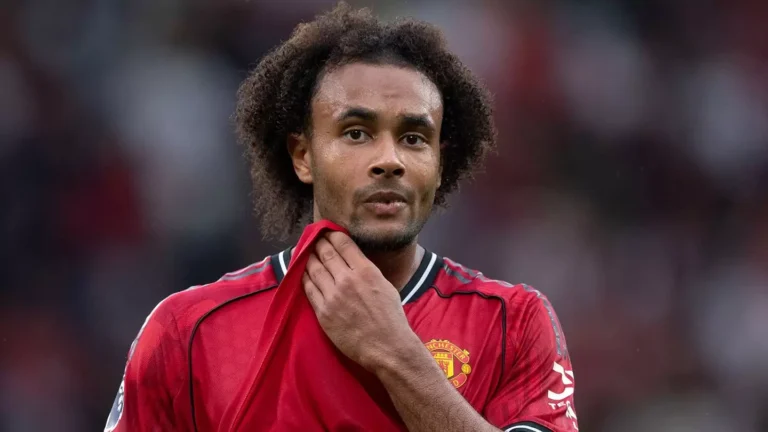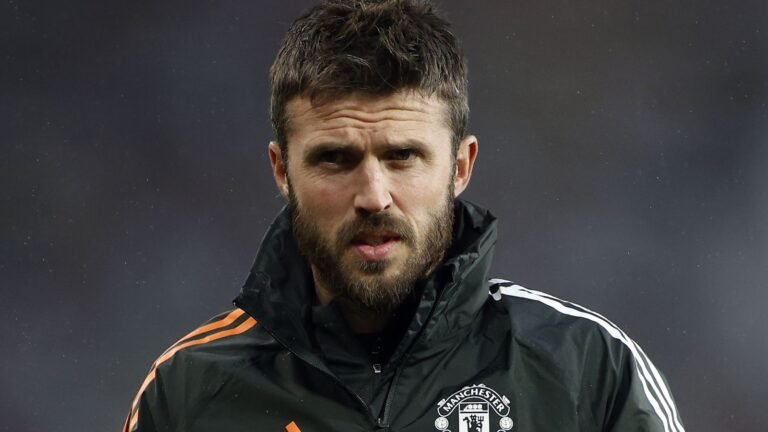
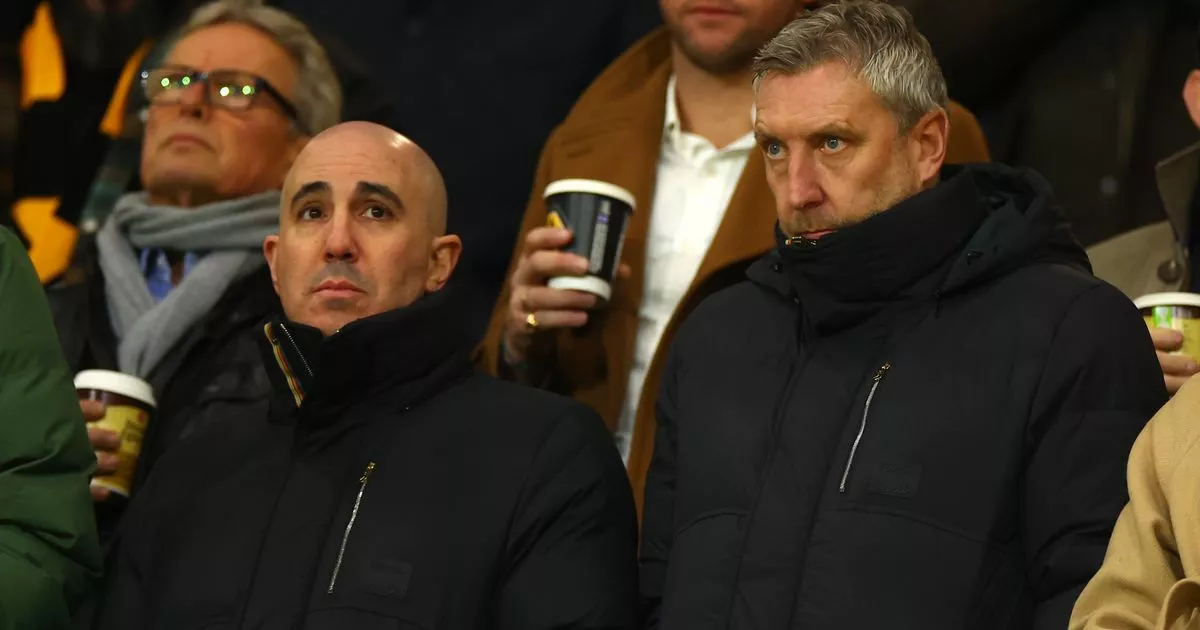

Christopher Vivell Ruben Amorim sacking highlights the internal decision-making that led Manchester United to part ways with their head coach despite a sixth-place league position.
QUICK SUMMARY
Manchester United have made the decision to part ways with head coach Ruben Amorim, with reports confirming that Christopher Vivell played a key role in the process.
The decision, reported by David Ornstein, reflects deeper concerns within the club despite United sitting sixth in the Premier League.
WHY THIS DECISION MATTERS
The Christopher Vivell Ruben Amorim sacking is not just another managerial dismissal, it represents Manchester United’s ongoing struggle to align football structure, recruitment philosophy, and on-pitch identity.
Ruben Amorim was appointed with a clear vision. His tactical philosophy, emphasis on structure, and demand for discipline were seen as the foundation for a long-term rebuild. Yet, less than a year into the job, the club has chosen to reset once again.
This matters because Manchester United are not in crisis position on paper. Sixth place in the league suggests stability. European qualification was still achievable. However, football decisions are rarely based on the table alone.
Behind the scenes, performance metrics, squad development, tactical adaptability, and long-term planning appear to have raised red flags and Christopher Vivell’s influence suggests this was a strategic call rather than an emotional one.
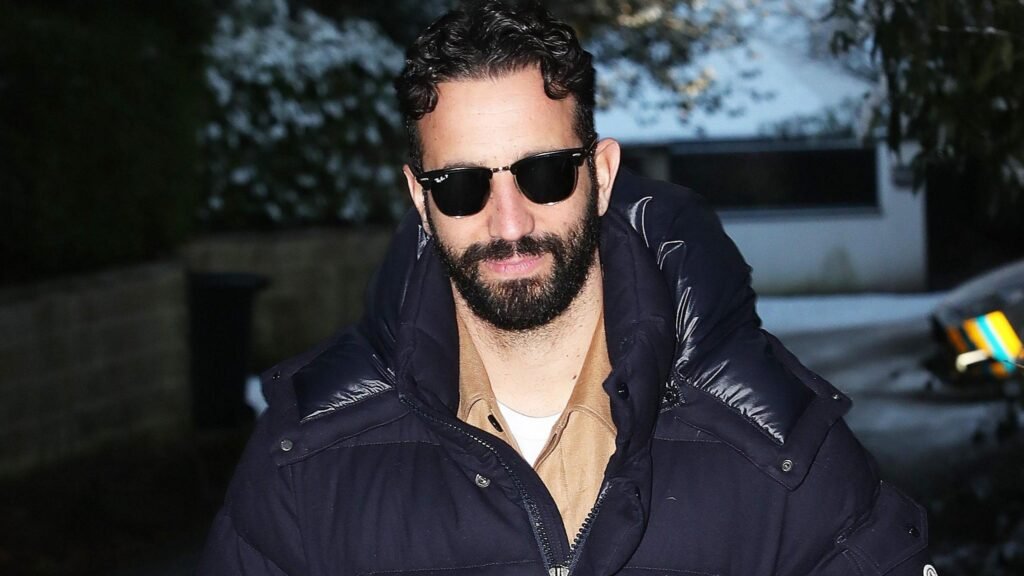
DETAILS: THE KEY FIGURES & CONTEXT
Christopher Vivell – Football Profile
- Role: Director-level football operations / recruitment influence
- Reputation: Strategic planner, squad-building specialist
- Known for: Long-term structural thinking rather than short-term optics
Vivell’s involvement signals that the Christopher Vivell Ruben Amorim sacking was rooted in football logic, not fan pressure.
Ruben Amorim – Tenure Snapshot
- Appointed: November 2024
- League Position: 6th
- Major Achievement: UEFA Europa League Final (Bilbao)
- Style: Structured build-up, high tactical discipline
- Key Challenges: Injuries, AFCON absences, thin squad depth
While Amorim delivered moments of promise, the broader trajectory failed to convince decision-makers that he was the right man to lead the next phase.
PERFORMANCE CONTEXT: WHY SIXTH PLACE WASN’T ENOUGH
This is the uncomfortable truth many fans don’t want to hear.
Yes, Manchester United are sixth.
Yes, the table suggests “things are okay.”
But football departments no longer judge success solely by position.
The Christopher Vivell Ruben Amorim sacking reflects deeper concerns:
- Lack of attacking cohesion
- Poor in-game adaptability
- Inconsistent home performances
- Limited squad progression
- Over-reliance on system over personnel
From a technical perspective, United often looked rigid rather than resilient.
ANALYSIS: WHY THIS DECISION WAS MADE
1. Tactical Inflexibility
I’ve always believed managers shouldn’t abandon their philosophy but they must adjust it to reality.
Amorim stuck to his system even when injuries and AFCON absences stripped it of balance. That rigidity made games harder than they needed to be.
2. Squad Misalignment
Several players looked uncomfortable in defined roles. Rather than elevating individuals, the system often exposed their weaknesses.
For a club at United’s level, that’s a warning sign.
3. Short-Term Results vs Long-Term Vision
Vivell’s involvement tells us this wasn’t about panic. It was about trajectory.
The question wasn’t:
“Are we sixth?”
It was:
“Does this lead us back to competing?”
The answer, internally, appears to have been no.
WHY SOME FANS WILL DISAGREE — AND FAIRLY SO
Let’s be honest.
- A European final
- Sixth place
- No total collapse
On the surface, the Christopher Vivell Ruben Amorim sacking feels harsh.
And I understand the frustration. United have cycled through managers too quickly. Stability matters.
But stability only works if the foundation is correct.
WHAT NEXT FOR MANCHESTER UNITED?
Immediate Term
- Darren Fletcher takes charge against Burnley
- Short-term simplification of tactics
- Focus on energy, basics, and confidence
Medium Term
- Interim appointment likely
- Evaluation of squad fit
- Recruitment strategy reassessment
Long Term
This is where Vivell’s role becomes critical.
The next appointment must align with recruitment, youth development, and identity not just reputation.
This decision tells us the club believes something deeper wasn’t right.
Whether this proves to be the correct call will depend entirely on what comes next because another reset without clarity would be far more damaging than patience ever could be.
More updates coming as the story develops.