
Glazers Man United stadium loan plans hit a major roadblock as the UK football regulator steps in. What this decision means for Old Trafford, club debt, and a possible sale.
Quick Summary
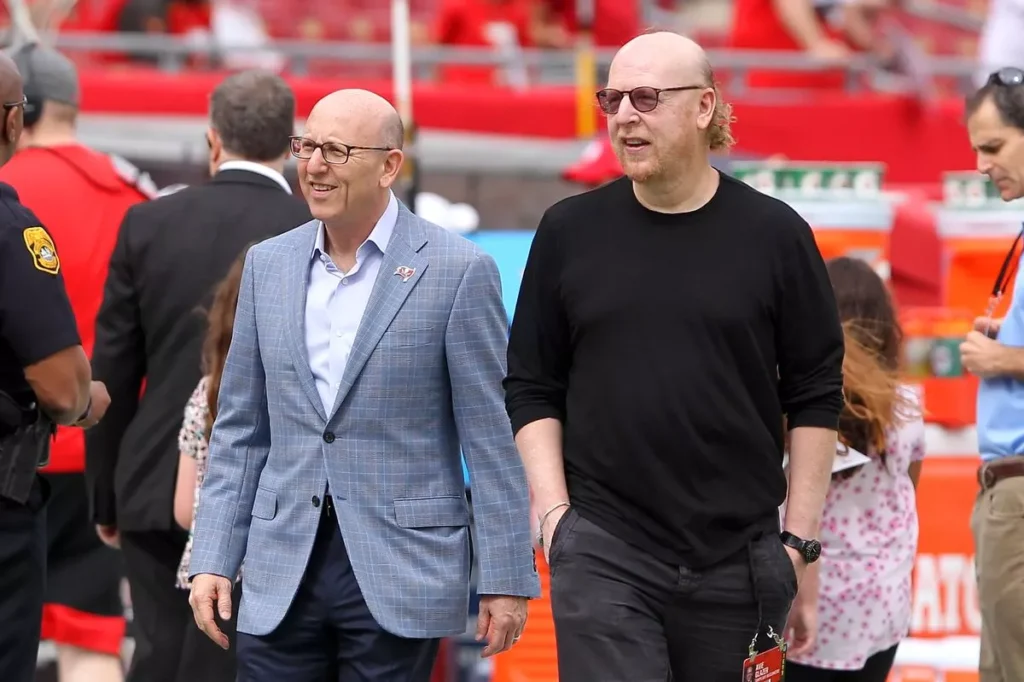
The UK football regulator has blocked the Glazer family from taking out a loan to fund a new stadium for Manchester United. With the club already carrying massive debt and tighter financial rules coming into force, this decision could accelerate conversations around ownership change at Old Trafford.
The development was reported by multiple UK football finance sources and has reignited debate about the Glazers’ long-term future at Manchester United.
Why the Glazers Man United Stadium Loan Matters
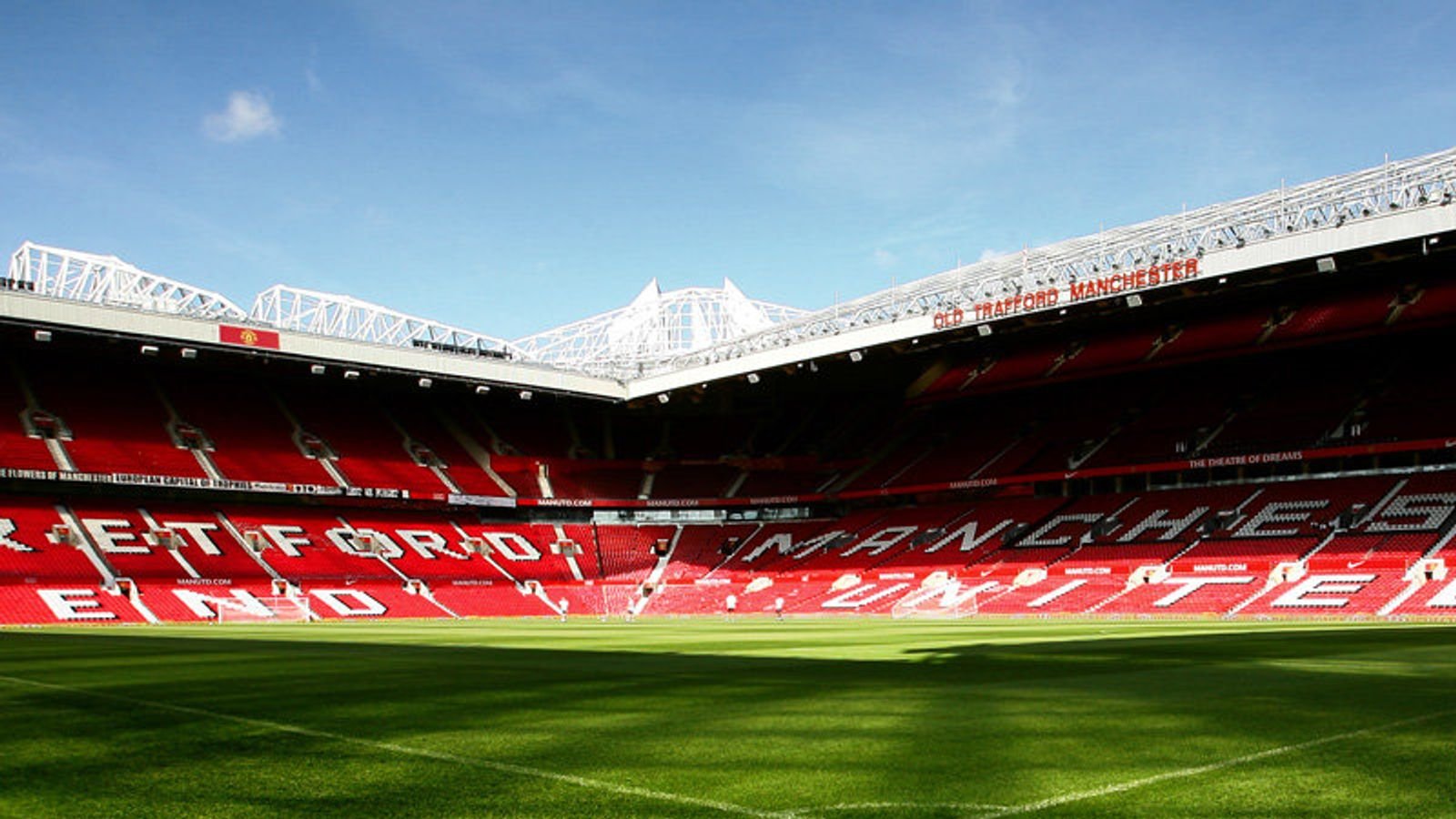
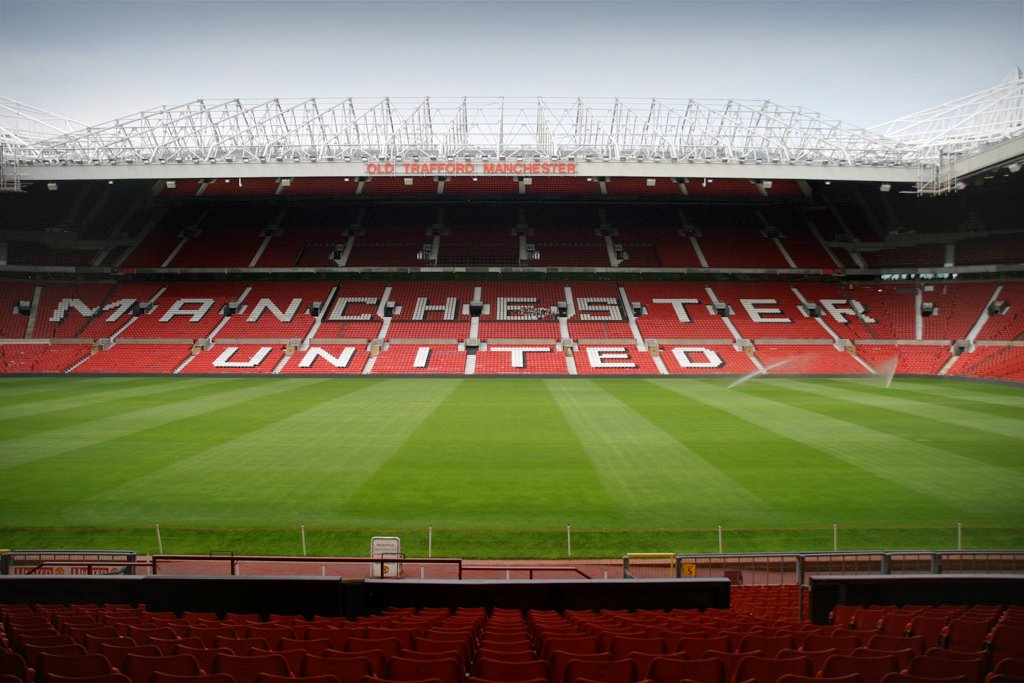
Manchester United’s stadium situation has been a long-running issue. Old Trafford, once the gold standard of English football grounds, now lags behind modern rivals in infrastructure, facilities, and matchday revenue potential.
For years, fans have demanded either:
- A full redevelopment of Old Trafford, or
- A completely new stadium
The Glazers’ preferred solution appeared to be financing the project through borrowing, a move that immediately raised alarm bells given United’s existing financial burden. The Glazers Man United stadium loan proposal became controversial because it suggested adding more debt to a club already paying tens of millions annually in interest.
The regulator’s intervention changes everything.
Details: The Decision and the Financial Context
Existing Debt at Manchester United
Manchester United currently carries:
- Over £600 million in gross debt
- Annual interest payments exceeding £60 million
- A leveraged ownership structure dating back to 2005
Any new stadium loan would likely have been secured against club revenues meaning United, not the owners, would effectively pay for it.
Why the Regulator Said No
The UK football regulator’s stance is rooted in:
- Sustainability rules
- Club protection policies
- Preventing owners from loading excessive debt onto institutions with cultural and community value
Blocking the Glazers Man United stadium loan sends a clear signal: future football governance will prioritize long-term stability over owner-driven financial engineering.
Performance and Stadium Context
Old Trafford facts:
- Capacity: ~74,000
- Opened: 1910
- Limited hospitality expansion compared to rivals
- Aging infrastructure with increasing maintenance costs
Meanwhile:
- Tottenham’s stadium generates elite non-matchday revenue
- Manchester City continue expanding facilities
- Arsenal benefit from Emirates-era commercial planning
United are falling behind not on the pitch alone, but commercially.
Analysis: Why This Is a Turning Point
From my perspective, this decision exposes the core problem with the Glazers’ ownership model.
For nearly two decades:
- Manchester United have serviced debt instead of reinvesting
- Infrastructure upgrades have been delayed
- Financial decisions prioritized extraction over evolution
The fact that the Glazers Man United stadium loan was even considered tells you everything. Rather than fund development through owner capital or equity dilution, the plan was to borrow again pushing the risk back onto the club.
The regulator stepping in doesn’t just block a loan. It blocks a philosophy.
What This Means for a Potential Sale
This is where things get interesting.
With:
- Stadium financing restricted
- Debt already at regulatory limits
- New governance rules tightening control
The Glazers may find it increasingly difficult to operate Manchester United as they have done since 2005.
A sale becomes more logical because:
- New owners could inject equity
- Infrastructure could be funded without club debt
- Long-term planning becomes viable
In short, the blocked Glazers Man United stadium loan increases pressure rather than relieving it.
Fan Reaction and Sentiment
Supporters have been clear for years:
- “No more debt”
- “Fix the stadium properly”
- “Sell the club”
This decision will be welcomed by most fans because it protects United from further financial strain even if it delays immediate redevelopment plans.
Emotionally, it also validates what fans have argued all along: Manchester United should not be mortgaged further to solve problems created by leveraged ownership.
What Next?
Several paths are now open:
1. Ownership Change
If the Glazers cannot finance a stadium under new rules, selling becomes a realistic option rather than a bargaining chip.
2. Partial Investment
Minority investment or structured equity funding could return but under stricter oversight.
3. Delayed Redevelopment
Old Trafford improvements may be phased, smaller, or postponed until ownership clarity emerges.
4. Regulatory Precedent
This decision sets a benchmark that other clubs and owners will have to respect going forward.
For Manchester United, it could mark the beginning of a long-awaited reset. Whether that leads to new ownership or a new operating model remains to be seen, but one thing is clear: the old way is no longer viable.
This story is far from over.
With regulation tightening and financial realities catching up, Manchester United stand at a crossroads once again.
More updates coming as the story develops.