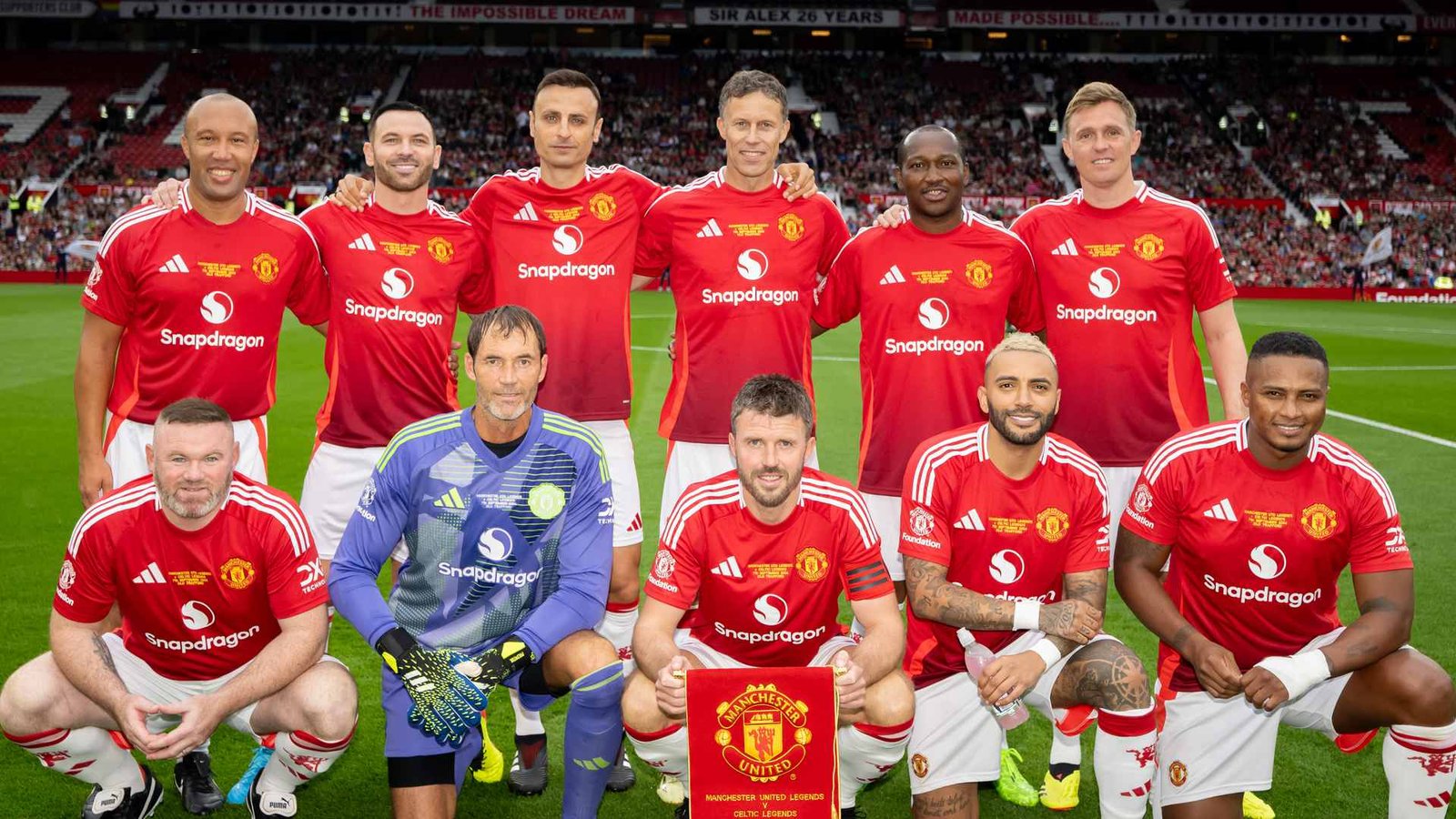

Manchester United club legends remain influential around Old Trafford, but their growing role as pundits and power brokers raises serious questions about stability, identity, and long-term rebuilding.
QUICK SUMMARY
Manchester United club legends continue to shape narratives, decisions, and pressure around Old Trafford as the club struggles to commit to a long-term footballing plan.
While respected for their playing careers, their influence as pundits and former managers is increasingly being questioned by supporters.
WHY THIS MOMENT MATTERS
Manchester United club legends have always held a special place in the identity of the club. Success at Old Trafford was built on continuity, authority, and a clear hierarchy players played, managers managed, and the club protected its footballing structure.
That balance no longer exists.
In recent years, United have become trapped in a cycle of short-termism, emotional decision-making, and external pressure. A major contributor to this environment has been the constant presence of former players now pundits, podcast hosts, and media personalities shaping public opinion about the club on a weekly basis.
This matters because Manchester United are not just rebuilding a squad; they are attempting to rebuild credibility. And credibility cannot be restored when internal voices undermine long-term planning, whether intentionally or not.
Manchester United club legends are no longer just observers, they are participants in the chaos.
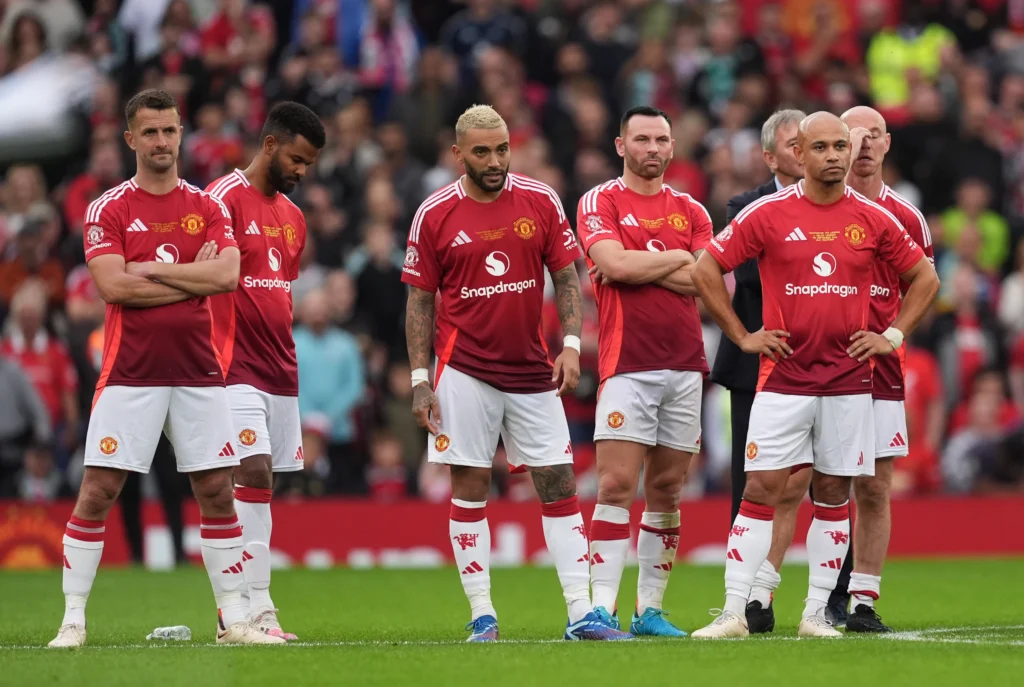
DETAILS: WHAT WE KNOW SO FAR
The Current Situation
- United remain stuck in a managerial merry-go-round
- Every rebuild is cut short before completion
- Public pressure escalates after every poor result
- Former players dominate media narratives around the club
The Media Presence of Club Legends
- Regular appearances on Sky Sports
- Multiple football podcasts
- Frequent commentary focused almost exclusively on Manchester United
- Strong opinions with little accountability
While analysis is not inherently bad, the issue is influence. When opinions shape fan sentiment, boardroom pressure, and managerial confidence, the line between commentary and interference becomes blurred
COMPARISON: HOW OTHER CLUB LEGENDS MOVED ON
This is where the contrast becomes uncomfortable.
- Pep Guardiola left Barcelona and built his own managerial legacy elsewhere
- Cesc Fàbregas is quietly building a coaching identity away from Arsenal
- Vincent Kompany has taken on responsibility at Bayern Munich, measured by results, not sentiment
In contrast, Manchester United club legends have largely failed to build identities away from Old Trafford. Their relevance remains tied to United’s struggles.
That dependency creates a conflict of interest whether acknowledged or not.
ANALYSIS: WHERE THE PROBLEM REALLY LIES
1. Livelihood Through Chaos
For many former players, Manchester United has become their primary source of relevance and income. The club’s instability keeps them visible, booked, and in demand.
A stable United is a quiet United and quiet does not sell opinions.
2. Failure in Management Roles
When opportunities came, results were underwhelming:
- Failed spells abroad
- Failed Championship tenures
- Abrupt exits from management altogether
After failure, the safe return was television.
3. Hypocrisy in Expectations
These same figures demand:
- Instant success
- Perfect recruitment
- Tactical clarity from day one
Yet none demonstrated patience or resilience when given responsibility themselves.
THE AMORIM MOMENT: A TURNING POINT
When Ruben Amorim spoke openly about structure, autonomy, and long-term planning, the writing was on the wall.
Manchester United can tolerate:
- Poor results
- Transitional seasons
What they cannot tolerate is:
- A manager who insists on being allowed to manage
The moment Amorim challenged the system publicly, pressure mounted not from fans, but from the noise ecosystem around the club.
This is where Manchester United club legends become part of the problem.
THE INEOS QUESTION
INEOS arrived promising reform, structure, and football-first thinking. But policy without protection is meaningless.
If the same pattern continues, hiring a manager, restricting autonomy, and judging results prematurely, then nothing changes.
Whether it’s:
- Ole Gunnar Solskjær
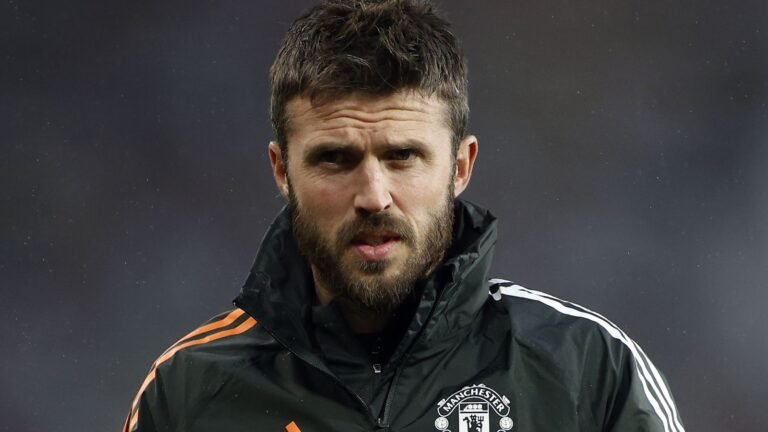
- Michael Carrick
- Or any other familiar name
The outcome will remain the same if the framework does not change.
WHAT NEXT?
Short-Term
- A caretaker appointment
- Temporary optimism
- Media praise if results improve
Medium-Term
- Pressure after inevitable setbacks
- Legends calling for “DNA”
- Fans divided again
Long-Term (If Nothing Changes)
- Another rebuild abandoned
- Another manager burned
- Another cycle restarted
No manager can fix this in one window.
No rebuild survives constant sabotage.
Structure must come before sentiment.
More updates coming as the story develops.