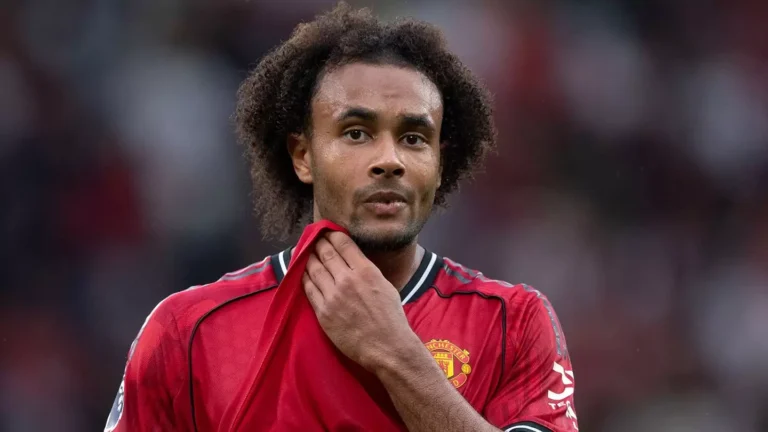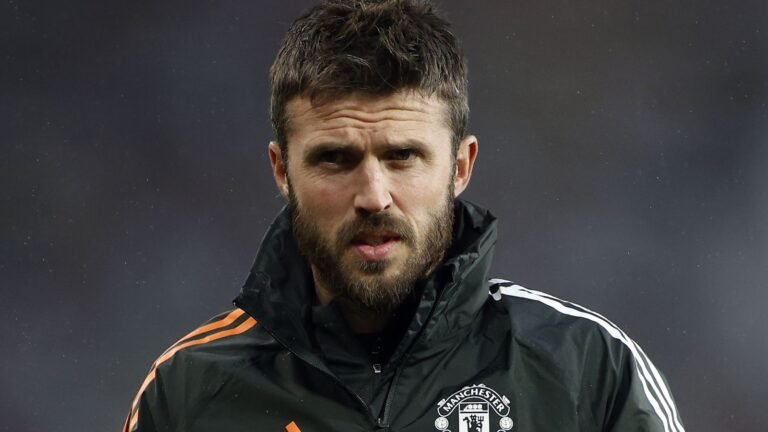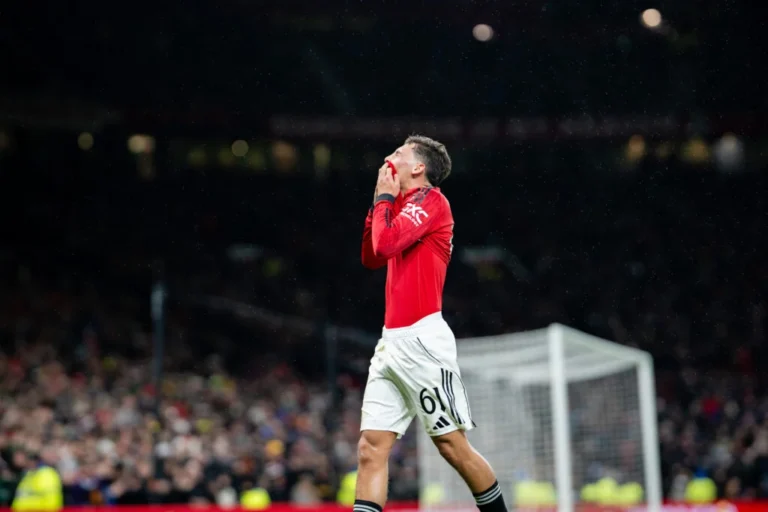
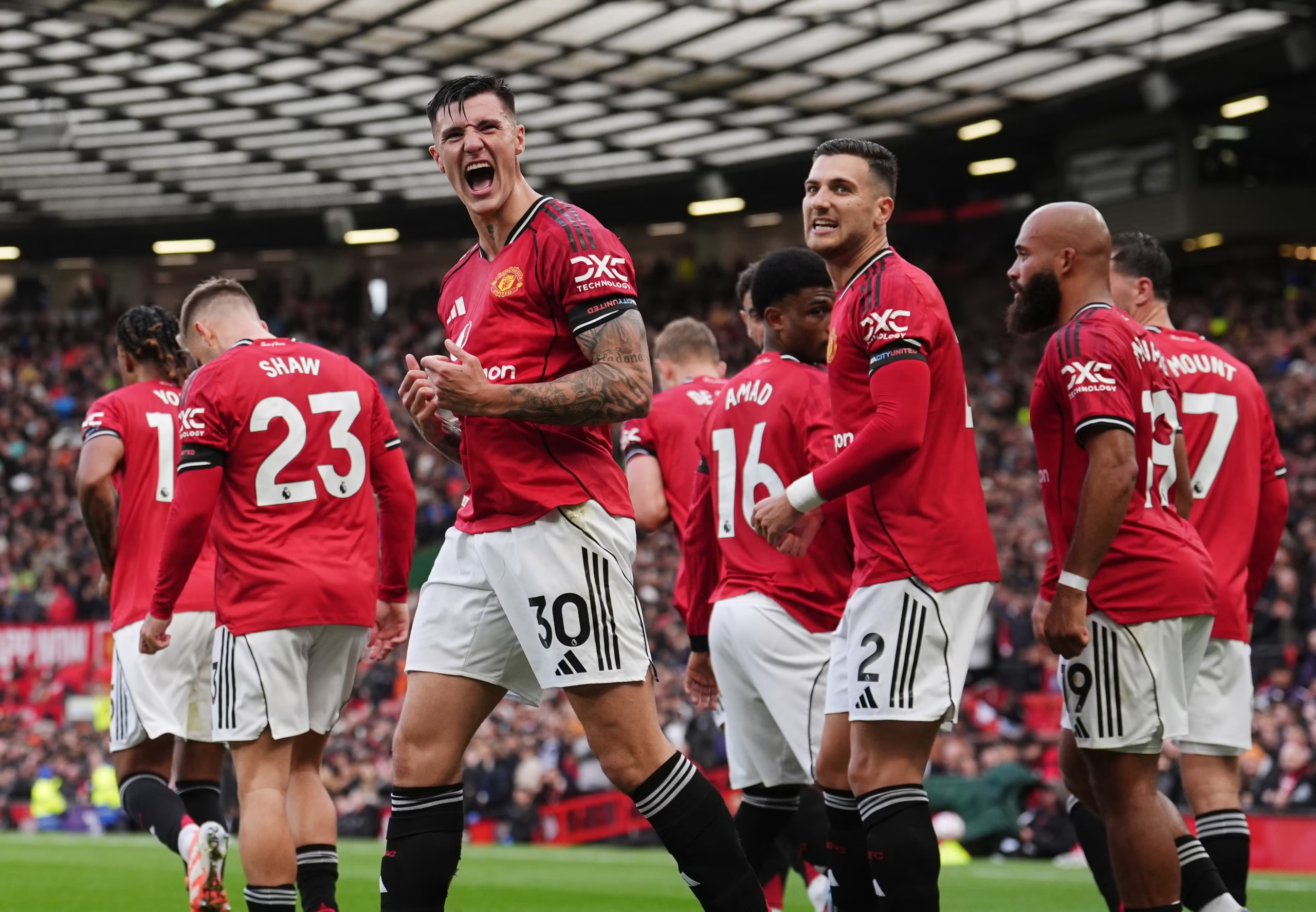

Manchester United Player FC culture continues to shape fan reactions, player narratives, and expectations as standards and accountability remain a major talking point.
QUICK SUMMARY
Manchester United fans are once again divided as Player FC culture dominates discussions around performances, selection, and accountability. Supporters are questioning whether loyalty to individuals is now outweighing loyalty to the club itself.
WHY THIS MOMENT MATTERS.
For years, United fans have defended individual players at all costs. Not because those players consistently delivered elite performances, but because emotional attachment slowly replaced football standards. Somewhere along the line, supporting the club became secondary to protecting favourites.
This matters because Manchester United is not supposed to be a comfort zone. It is supposed to be ruthless, competitive, and demanding. When fans start attacking managers, systems, and teammates to protect individuals, something fundamental is lost.
The badge should always come first. Always.
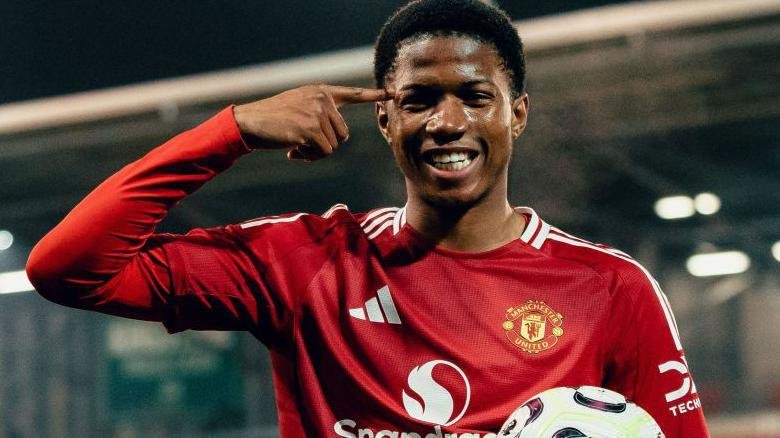
DETAILS: HOW PLAYER FC CULTURE SHOWS ITSELF
Common Patterns Fans Have Normalised
- Defending poor form indefinitely
- Blaming managers for player inconsistency
- Creating online agendas (“Free X player”)
- Treating criticism as “hate”
This is exactly how Manchester United Player FC culture survives through emotional loyalty rather than football reality.
CASE STUDIES: WE’VE SEEN THIS MOVIE BEFORE
Anthony Martial
Martial was defended relentlessly. Excuses were endless. When he finally left United, no elite club came for him. That alone should have ended the debate.
The club moved on. The narrative collapsed.
Marcus Rashford
A local lad. A huge talent. But standards slipped. Now he’s content with bench roles in finals, playing seven minutes in major games and suddenly the noise disappears.
Where is the outrage now?
Alejandro Garnacho
One of United’s most-used players last season. Fast forward, he’s struggling for consistent starts elsewhere. Again, silence. No reflection. No accountability.
Kobbie Mainoo
This is the most worrying one.
Shirts were printed. Managers were attacked. People acted like one teenager would magically fix a broken system. He’s now played consecutive games and the same problems remain.
Because football is not solved by emotion.
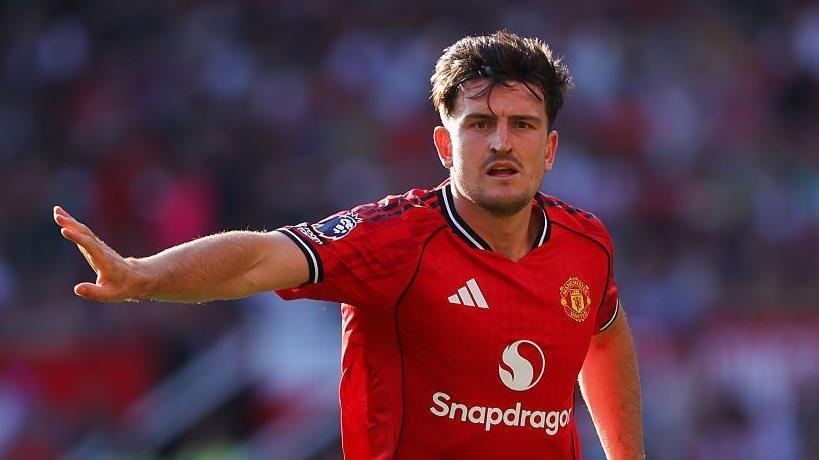
ANALYSIS: WHY PLAYER FC CULTURE IS BAD FOR THE CLUB
1. It Undermines Managers
No manager can succeed when fans decide who must play. Selection becomes political instead of tactical.
2. It Lowers Standards
Elite clubs rotate. Elite players compete. When fanbases protect players from criticism, performance levels stagnate.
3. It Creates Dressing Room Issues
Players know who is “protected.” That creates entitlement, not hunger.
4. It Distracts From Real Problems
Instead of talking about structure, recruitment, and identity, debates become player vs player, fanbase vs fanbase.
TACTICAL REALITY CHECK (WHAT’S COMING NEXT)
Here’s the uncomfortable truth fans don’t want to hear:
If United stick with a 4-2-3-1, Amad and Mbeumo cannot both start at right wing.
That’s not opinion. That’s football reality.
And when that happens, we already know what’s coming:
- Amad FC vs Mbeumo FC
- Manager blamed
- “Agenda” accusations
- Same cycle, different names
Nothing learned.
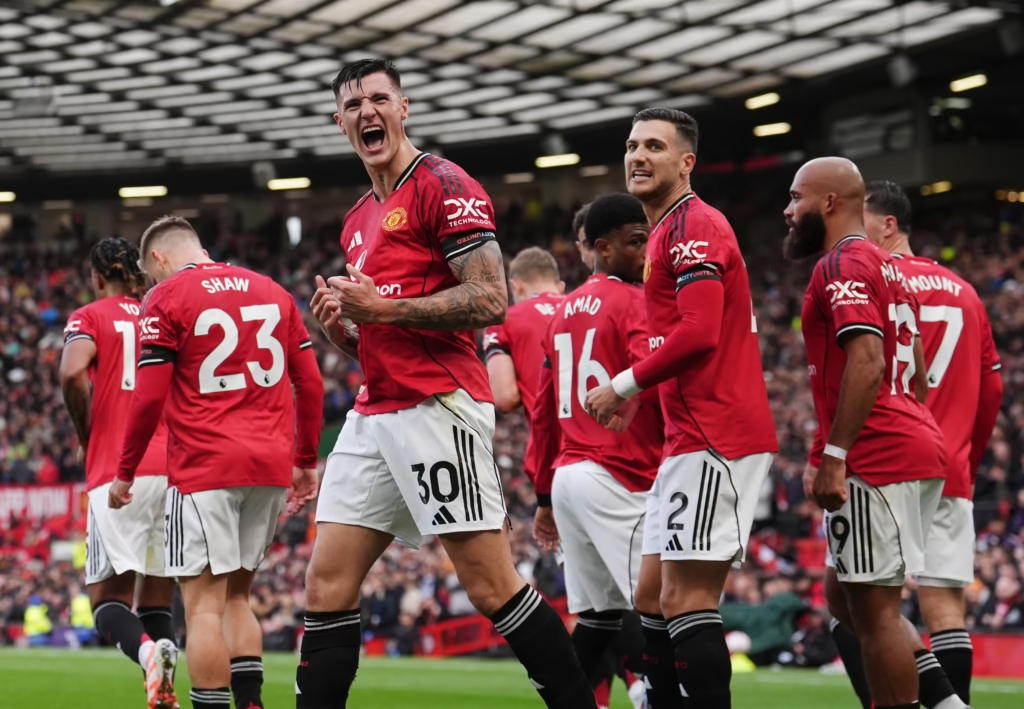
WHAT SHOULD CHANGE GOING FORWARD
What Big Clubs Do Right
- Players earn starts
- Form matters
- Rotation is normal
- No one is untouchable
Manchester United used to be this way. The best players fought for places. Nobody was guaranteed anything.
That culture built dominance.
BIGGER PICTURE: CLUB OVER EVERYTHING
Supporting players is normal. Loving players is fine.
But backing players above the club is dangerous.
Manchester United is bigger than:
- Martial
- Rashford
- Garnacho
- Mainoo
- Any future star
Always has been. Always will be.
The moment fans remember that, standards return.
The badge comes first. The club comes first. Accountability comes first.
Everything else is noise.
More updates coming as the story develops.