
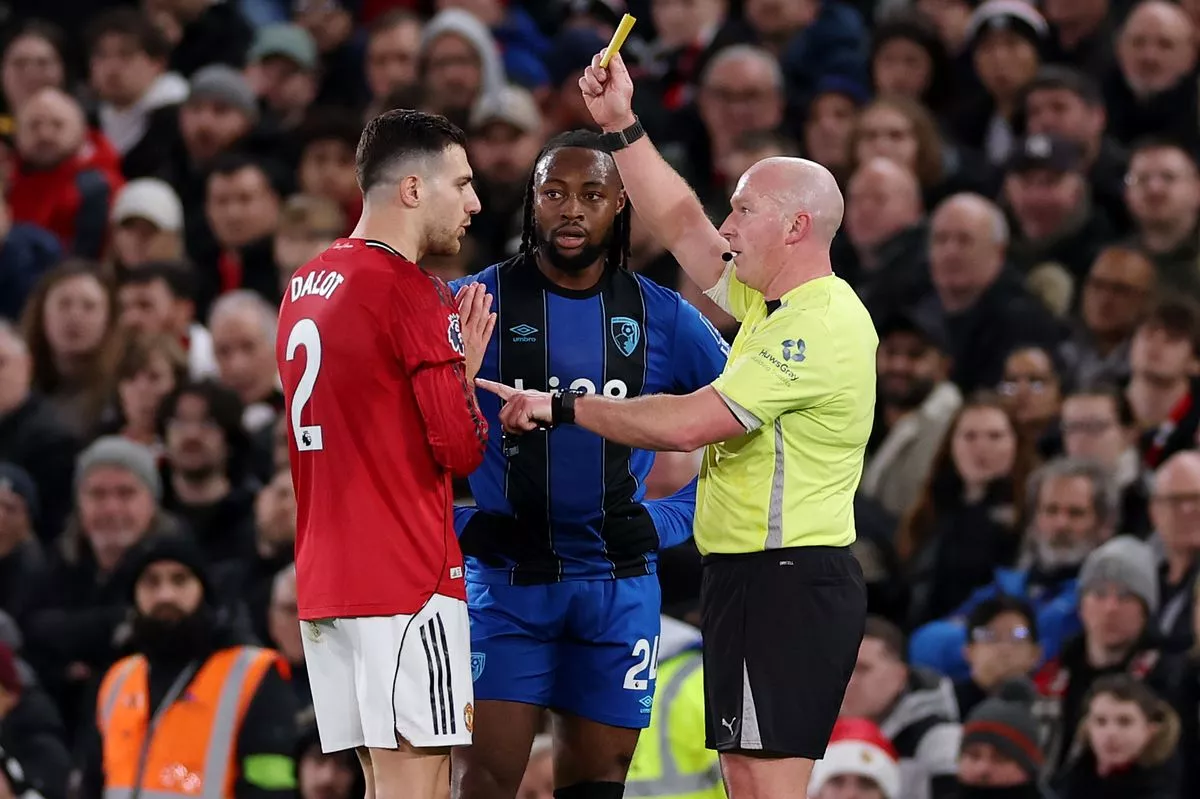

I don’t usually like blaming referees for results, but after watching that Bournemouth game, I can’t ignore it. The Manchester United referee controversy from that match left a bitter taste and I am not alone in thinking that. Watching key moments go completely unpunished, it felt like the officials forgot one of the most basic rules of football: fairness.
It wasn’t that United were flawless or Bournemouth were weak. Football isn’t perfect. But when crucial incidents are ignored, it doesn’t feel like football at all. It feels like luck, or worse, oversight, decides outcomes instead of skill and effort.
The Key Moments I Can’t Forget
The first moment that hit me was when Antoine Semenyo grabbed Diogo Dalot by the throat. I saw it with my own eyes, everyone in the stadium saw it, and replays confirmed it multiple times. Yet, the referee didn’t act, and VAR stayed silent. How is that possible? Grabbing an opponent by the throat is textbook violent conduct, deserving a straight red card, no questions asked.
Then there was the Alex Scott handball in the penalty area. United players immediately appealed, and I expected VAR to intervene. But nothing happened, the referee waved it off, citing “natural position,” a justification I simply can’t agree with. I don’t know how anyone could watch that and feel it was a fair decision. Moments like these make the Manchester United referee controversy more than just a talking point; they become a real frustration for players and fans alike.
Why This Controversy Stings So Much
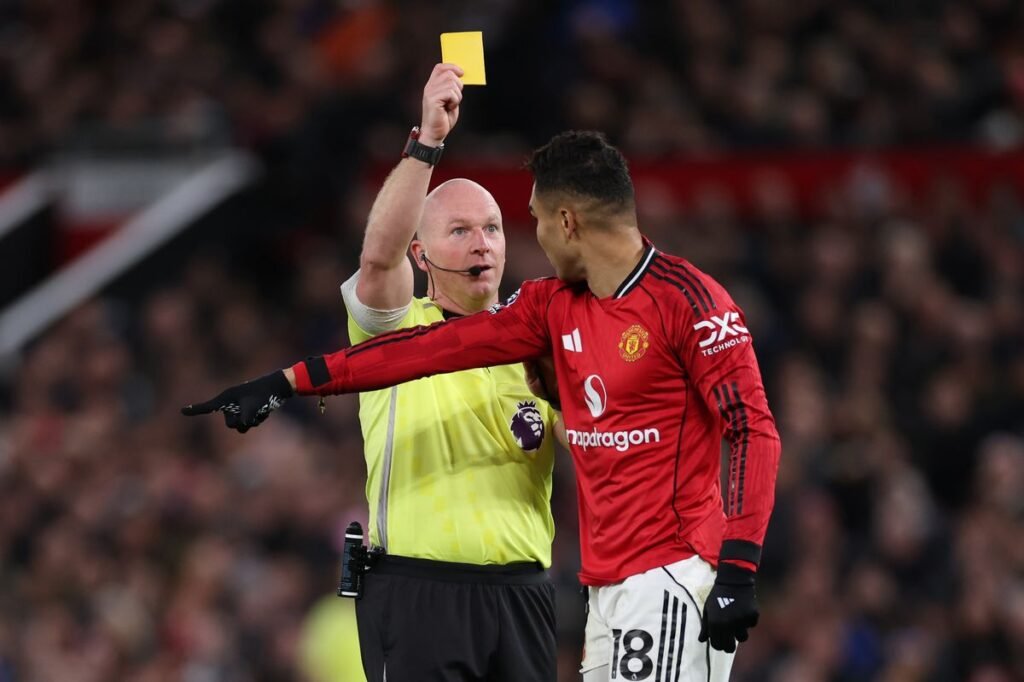
It isn’t just about these two incidents, it’s about consistency. In previous matches, referees handed out cards for far less, yet here, the same rules seemed invisible. That inconsistency is at the heart of the Manchester United referee controversy. It affects how we watch the game, how players react, and even how teams approach matches. When referees are unpredictable, it’s almost impossible to plan or play freely.
Another reason it stings is the psychological effect on players. Imagine being in Dalot’s shoes fouled in a way that’s dangerous, yet no action is taken. It’s demoralizing, and it affects focus and confidence. These missed calls aren’t just statistics; they’re moments that shift the rhythm of a game, often in subtle but decisive ways.
The Atmosphere Said It All
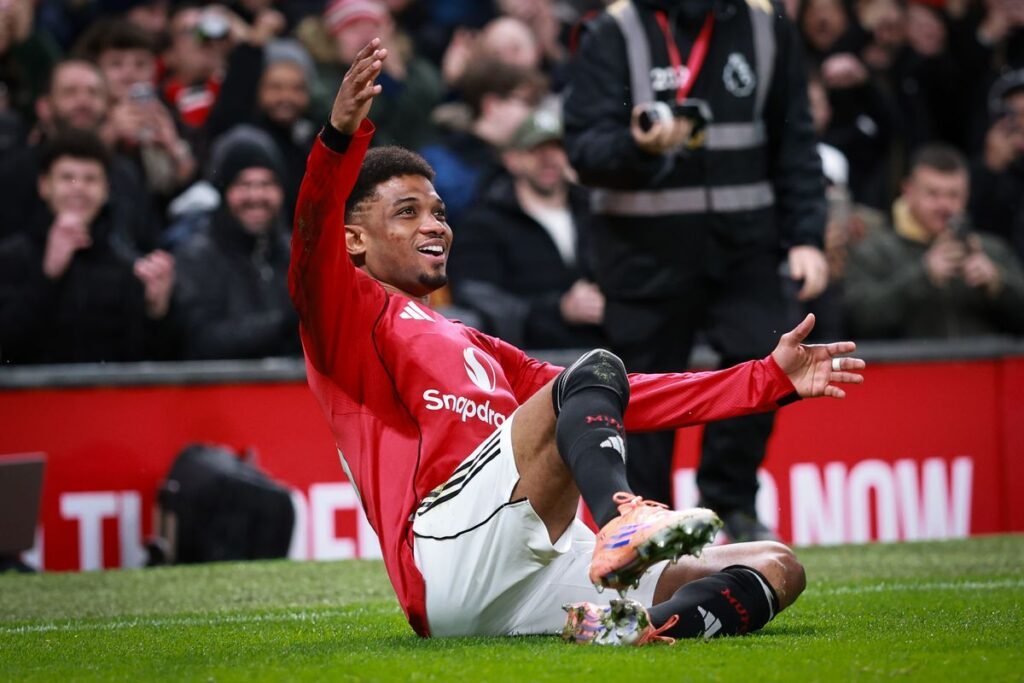
I also want to talk about the fans. You could feel the tension growing in the stadium after these decisions. Every decision after the Semenyo incident and handball appeal was met with louder reactions groans, chants, and visible frustration. This wasn’t just United fans complaining; it was the energy of the stadium reacting to a perceived injustice.
That’s why this isn’t just a referee problem, it’s a Manchester United referee controversy that affects everyone connected to the game. The crowd, the players, the staff, even casual viewers, all feel the tension when critical calls are ignored.
United’s Performance Despite the Controversy
Despite everything, Manchester United showed resilience. Bruno Fernandes controlled the tempo, Dalot pushed aggressively, and other players did their best to make the game competitive. But when refereeing decisions directly impact momentum, individual brilliance sometimes isn’t enough. It’s moments like these that make the Manchester United referee controversy so noticeable because it overshadows performances that should have been celebrated.
Analysis: Why This Matters Beyond One Game
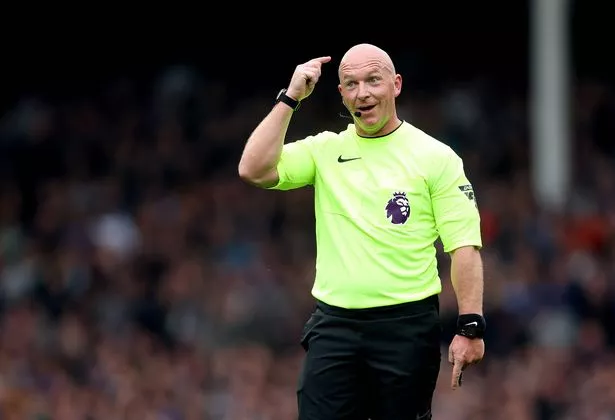
This isn’t just about one fixture. The Manchester United referee controversy exposes a larger issue: inconsistency in Premier League officiating. VAR exists to fix clear errors, yet it remains selective. Violent conduct goes unpunished. Clear handballs in the box get ignored. It makes fans, players, and pundits question whether technology is being used correctly.
In addition, it creates tension among players. When they know similar incidents might be punished in one game and ignored in another, it changes how they play. They may hold back in challenges, hesitate in tackles, or become frustrated mid-game all because they can’t rely on consistent officiating.
What Can United Do Next?
For Manchester United, the focus has to stay on the next matches. Complaining won’t win points, and frustration can easily turn into mistakes. The coaching staff will likely emphasize discipline and composure, knowing that refereeing decisions are unpredictable.
But the league also needs to improve. Transparency in VAR decisions, clearer rules, and accountability for referees could prevent future controversies. Fans deserve it. Players deserve it. And above all, football deserves it. The Premier League is supposed to showcase skill and competition, not questionable officiating.
We can debate tactics, players, and goals endlessly but if refereeing decisions continue like this, those debates will always carry an asterisk.
More updates coming as the story develops.
I like the valuable information yyou provide in your articles.
I’ll bookmark your blog and check again here regularly.
I am quite certain I will learn many new stuff right here!
Good luck foor the next! http://boyarka-inform.com/
Thanks