
Roy Keane criticises Diogo Dalot after Manchester United’s latest struggles. A detailed analysis of the comments, their meaning, and what comes next for Dalot and United.
Roy Keane Criticises Diogo Dalot: A Moment That Reflects Manchester United’s Deeper Issues
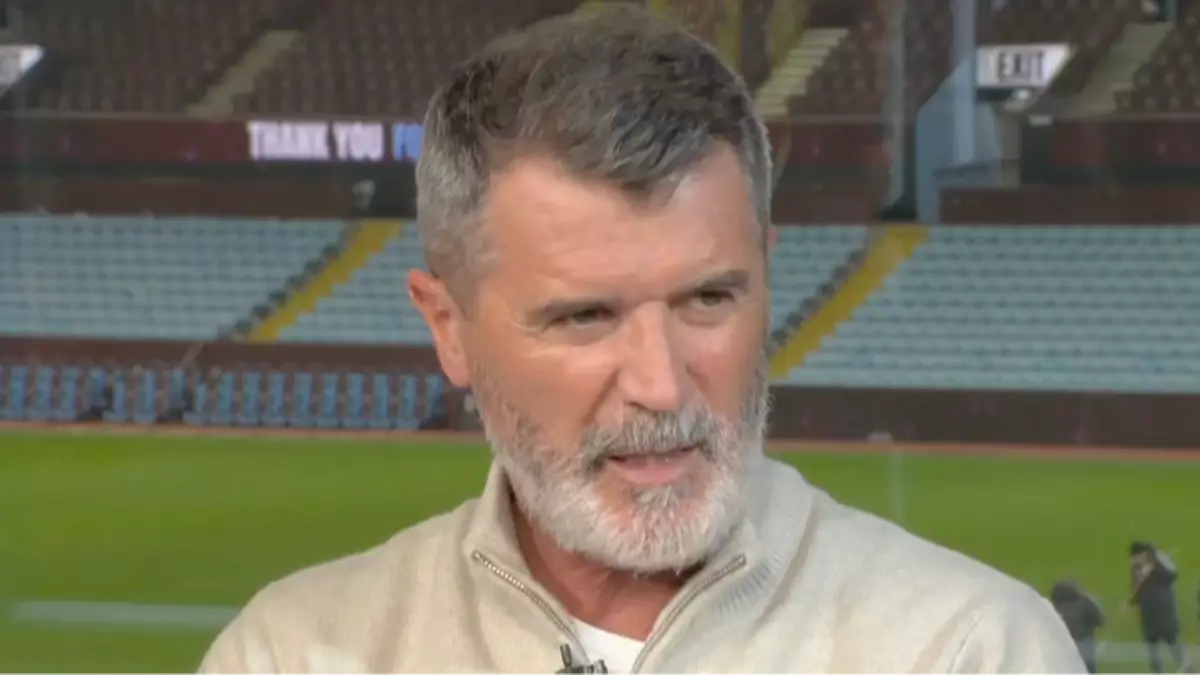
Roy Keane criticises Diogo Dalot and with that short sentence, a much larger conversation about Manchester United’s standards, mentality, and accountability has been reignited.
When Keane speaks, especially about effort and responsibility, it carries weight. Not because he is always right, but because he represents an era of Manchester United where doing “enough” was never acceptable. His criticism of Dalot is not just about one player; it is about what the badge demands.
Quick Summary
Roy Keane publicly criticised Diogo Dalot, stating that the full-back “doesn’t do enough,” as Manchester United’s inconsistent performances continue to frustrate supporters. The comments have sparked debate about individual accountability, defensive standards, and whether current players meet the expectations of the club’s past greats.
Why Roy Keane Criticises Diogo Dalot Matters
Manchester United are in a period where scrutiny is unavoidable. Results have been uneven, performances lack control, and the margin for error in the Premier League is shrinking.
When Roy Keane criticises Diogo Dalot, it matters because:
- Dalot is not a fringe player he is a regular starter
- He represents a modern United defender: technical, athletic, versatile
- He has been trusted by multiple managers
Keane’s criticism highlights a growing tension between modern football interpretations and traditional expectations of effort, concentration, and defensive responsibility.
For fans, this moment cuts deeper. It reflects a fear that standards have slipped not tactically, but mentally.

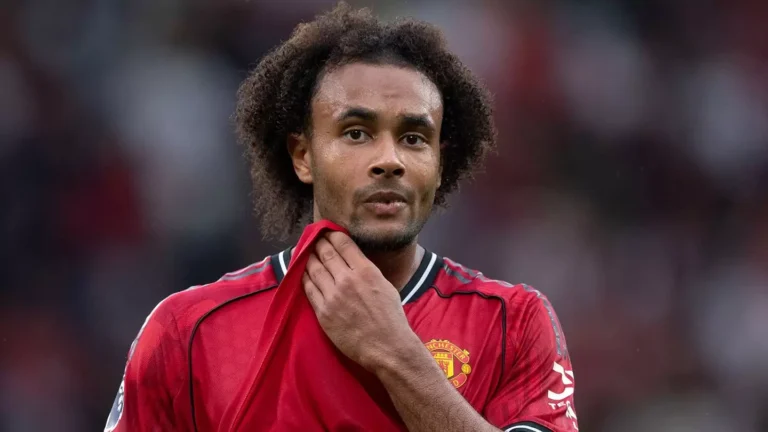
Details: Diogo Dalot Profile and Current Role
Player Overview
- Name: Diogo Dalot
- Age: 24
- Position: Right-back / Left-back
- Club: Manchester United
- International: Portugal
Dalot is valued for his athleticism, ball progression, and adaptability on both flanks. He is comfortable in possession and suits systems that require attacking full-backs.
Recent Performance Context
While Dalot has delivered solid performances this season, he has also been part of a defensive unit that has:
- Struggled with concentration
- Conceded avoidable goals
- Shown inconsistency in tracking runners
It is within this context that Roy Keane criticises Diogo Dalot, focusing not on talent, but on output and urgency.
The Roy Keane Perspective: Why Effort Comes First
Roy Keane’s football philosophy is simple:
Talent is optional. Effort is mandatory.
When Keane questions a player’s contribution, he is rarely discussing technical ability. Instead, he looks at:
- Recovery runs
- Defensive positioning
- Body language after mistakes
- Willingness to fight for second balls
From Keane’s lens, Dalot’s performances fall short not because of skill, but because of consistency and intensity.
This is where the criticism becomes symbolic.
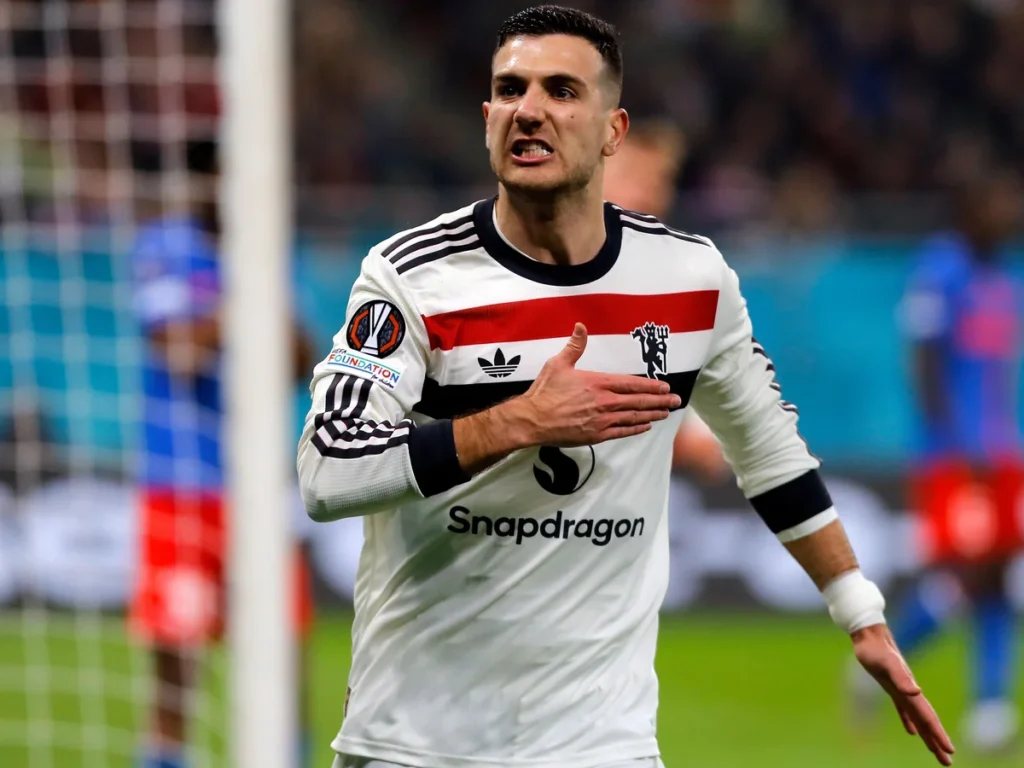
Analysis: Is Roy Keane Right to Criticise Diogo Dalot?
The Case FOR the Criticism
From a traditional defensive standpoint:
- Dalot can be caught high up the pitch
- His defensive duels are inconsistent
- Concentration lapses have cost United
In high-pressure matches, full-backs are judged harshly and rightly so. Small mistakes become decisive.
Keane’s argument reflects a belief that United defenders must be relentless first, progressive second.
The Case AGAINST the Criticism
Modern full-backs are asked to do more than ever:
- Overlap constantly
- Contribute to build-up
- Cover wide spaces alone
Dalot often operates without sufficient midfield protection, exposing him defensively. Blaming one player ignores systemic issues.
From a tactical standpoint, Roy Keane criticises Diogo Dalot in isolation something modern analysts often avoid.
What This Says About Manchester United
This moment is less about Dalot and more about United’s identity crisis.
The club is caught between:
- A high-intensity past
- A possession-based present
- An uncertain future
Keane represents the old guard. Dalot represents the new system player. The friction between both perspectives is inevitable.
As someone who has followed United through multiple rebuilds, this feels familiar. Criticism surfaces most loudly when clarity is missing.
Fan Reaction: Divided But Engaged
The response to Roy Keane criticises Diogo Dalot has been split:
Supporters of Keane’s View
- Demand higher standards
- Believe effort is non-negotiable
- See Dalot as emblematic of softness
Supporters of Dalot
- Point to tactical instructions
- Highlight workload and positioning
- Argue criticism is outdated
What’s clear is that fans are not apathetic. They care deeply.

What Next for Diogo Dalot?
Short Term
- Increased scrutiny in upcoming matches
- Focus on defensive fundamentals
- Response through performance, not interviews
Medium Term
- Tactical adjustments to protect full-backs
- Competition for starting roles
- Possible system tweaks
Long Term
Dalot’s future depends on whether he evolves into a complete defender not just an attacking outlet.
What This Means for United Going Forward
If Manchester United want to move forward, they must:
- Define clear performance standards
- Align tactics with player profiles
- Balance legacy expectations with modern football
Roy Keane’s criticism is uncomfortable but discomfort often signals truth.
Dalot now has a choice:
- Shrink under scrutiny
- Or grow through it
History suggests United fans respect players who respond the right way.
This debate won’t end with one comment or one match.
More updates coming as the story develops.