
Ruben Amorim Manchester United squad analysis exploring the players he inherited, board decisions, tactical fit, and what fans should realistically expect going forward.
Quick Summary
Ruben Amorim’s arrival at Manchester United was met with mixed reactions, excitement over his modern tactical ideas, and concern about whether the existing squad suited his philosophy. While the board believed Amorim could elevate the team, the squad he inherited posed serious structural and tactical challenges.
This article examines the Ruben Amorim Manchester United squad, why the appointment was risky, where Amorim has struggled, and why responsibility must be shared between the manager and the club’s hierarchy.
Why This Moment Matters
The Ruben Amorim Manchester United squad debate matters because it highlights a recurring issue at Old Trafford: appointing managers without fully aligning recruitment, squad profile, and long-term football identity.
Manchester United did not hire Amorim to “maintain” the status quo. They hired him for his distinctive style structured pressing, positional discipline, quick transitions, and intense off-ball work. However, the squad he inherited was largely assembled for a different football ideology, with years of reactive recruitment, short-term fixes, and compromised squad balance.
This is not the first time United have made this mistake, but it may be the most glaring example in recent memory.
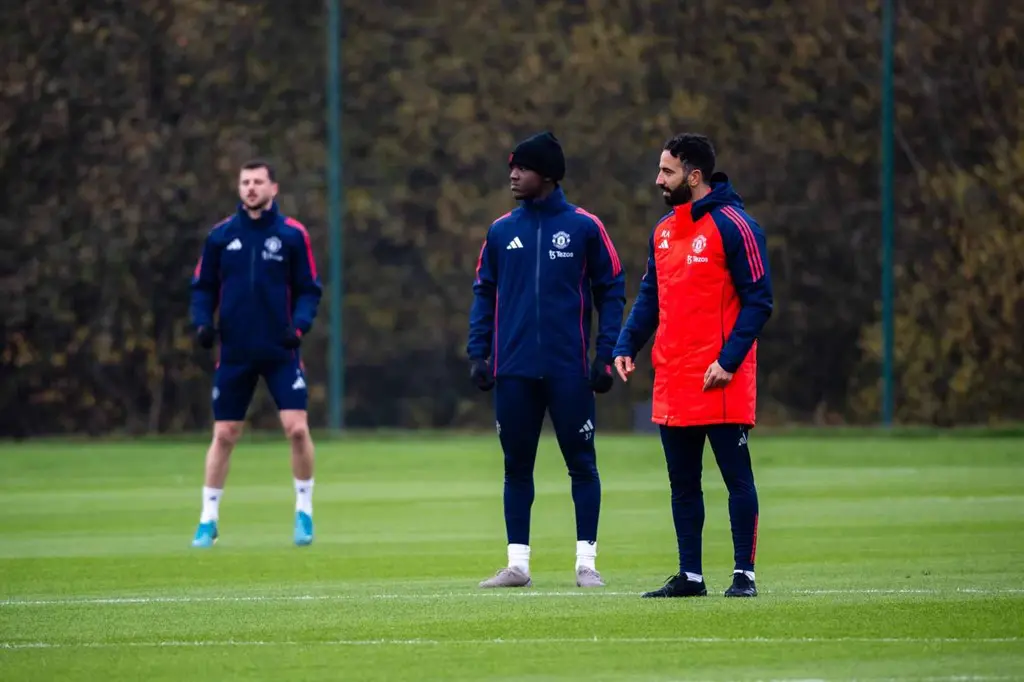
Details: The Squad Amorim Inherited
Attackers
The forward line was one of the most problematic areas of the Ruben Amorim Manchester United squad.
- Rasmus Højlund
Talented but raw. Strong physically, still learning elite-level movement and decision-making. Not yet reliable as a lone striker in a system demanding pressing intelligence and link-up play. - Joshua Zirkzee
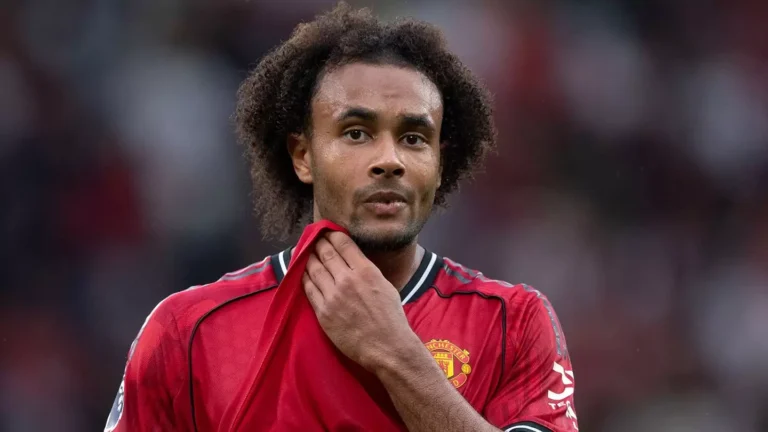
Still adapting to the league. Not a natural penalty-box striker, better as a connector. This caused tactical confusion in Amorim’s early matches. - Marcus Rashford
Struggling with motivation, form, and personal issues. Amorim inherited a player mentally distant from peak performance. - Alejandro Garnacho
Explosive but inconsistent. Tactical discipline remains a work in progress. - Jadon Sancho & Antony
Failed to justify their roles. Neither offered consistent output, intensity, or defensive contribution. - Amad Diallo
Clearly talented but underused prior to Amorim’s arrival, leaving development gaps.
Midfield
Midfield balance or lack of it has defined the Ruben Amorim Manchester United squad struggles.
- Bruno Fernandes
Elite creator but overburdened. United’s system leaned too heavily on his output. - Casemiro
Declining physically, struggling to cope with high-intensity pressing systems. - Kobbie Mainoo
Immense talent but lacked a suitable partner to cover his defensive responsibilities. - Manuel Ugarte
Failed to adapt. Did not offer enough on or off the ball. - Christian Eriksen
Controlled tempo but lacked stamina and defensive mobility. Departure left a void.
Defense
The back line offered quality but inconsistency.
- Diogo Dalot
Reliable and versatile, but not elite in attacking output or defensive dominance. - Noussair Mazraoui
Versatile, intelligent, and potentially ideal for Amorim’s system. - Luke Shaw
Strong when fit, but availability remains a constant issue. - Harry Maguire
Aging but still impactful in certain match contexts. - Matthijs de Ligt
Solid, composed, tactically intelligent. - Leny Yoro
High ceiling, but still learning at elite level. - Lisandro Martínez
Technically elite but injury-prone.
Goalkeepers
Perhaps the weakest area of the Ruben Amorim Manchester United squad.
- André Onana
Inconsistent, error-prone under pressure. - Altay Bayındır
Failed to inspire confidence when called upon.
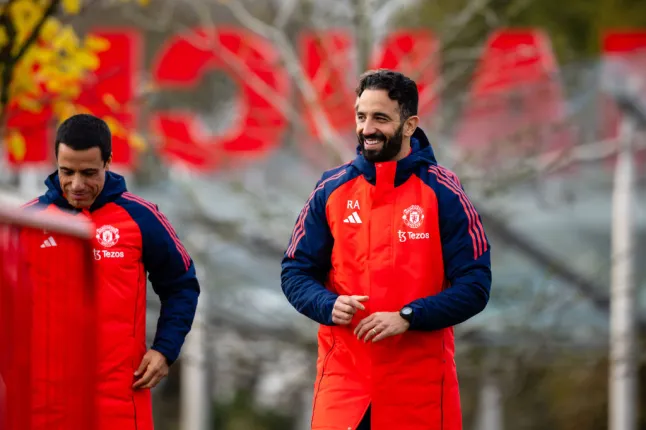
Analysis: Why Amorim Struggled
1. Tactical Mismatch
Amorim’s system demands:
- Intensity
- Positional discipline
- Technical security
- Collective pressing
The squad was not built for this. Too many players thrived only in transitional or individual-based systems.
2. Fitness and Mentality Issues
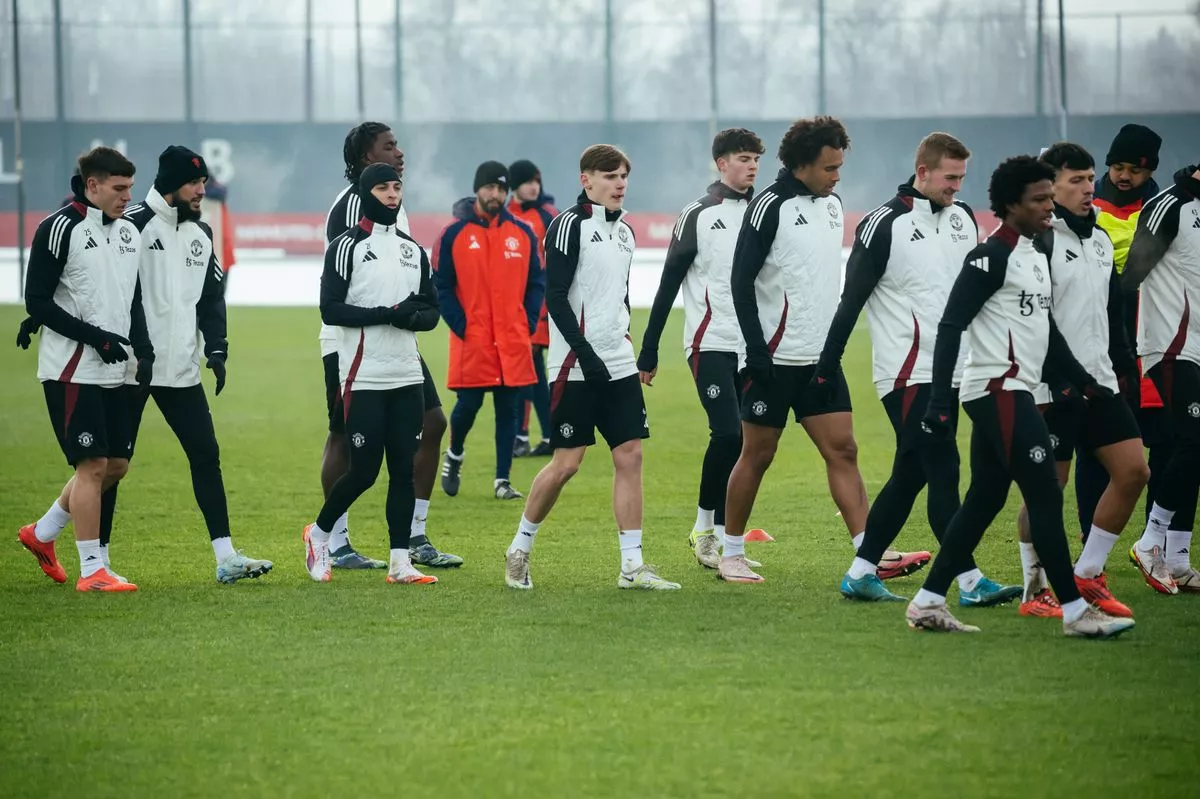
Even senior players admitted fitness concerns. High-intensity football exposes conditioning problems immediately. The mental fragility within the squad further amplified inconsistency.
3. Recruitment Failures
The board retained underperforming players while failing to deliver profiles that suited Amorim’s system. This left the manager compromising tactically instead of implementing his philosophy.
4. Amorim’s Own Responsibility
While circumstances were difficult, Amorim also:
- Failed to adapt quickly
- Struggled with in-game management
- Did not maximize certain controllable elements
Both sides must be accountable.
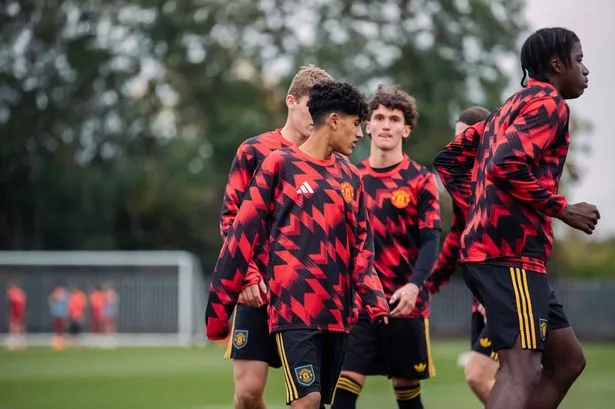
What Fans Expected vs Reality
Fans expected:
- Tactical clarity
- Youth integration
- Clear football identity
Reality:
- Inherited imbalance
- Injuries
- Limited tactical execution
Understanding the Ruben Amorim Manchester United squad helps reset expectations realistically.
What Next
Short-Term
- Tactical simplification
- Fitness improvement
- Better role clarity
Medium-Term
- Squad reshaping
- Clear recruitment strategy
- Player exits and profile-specific signings
Long-Term
- Structural alignment between board and manager
- Sustainable football identity
This appointment was always a gamble. Whether it succeeds or fails will depend less on Amorim alone and more on whether Manchester United finally learn to build a squad that matches their manager’s vision.
More updates coming as the story develops.