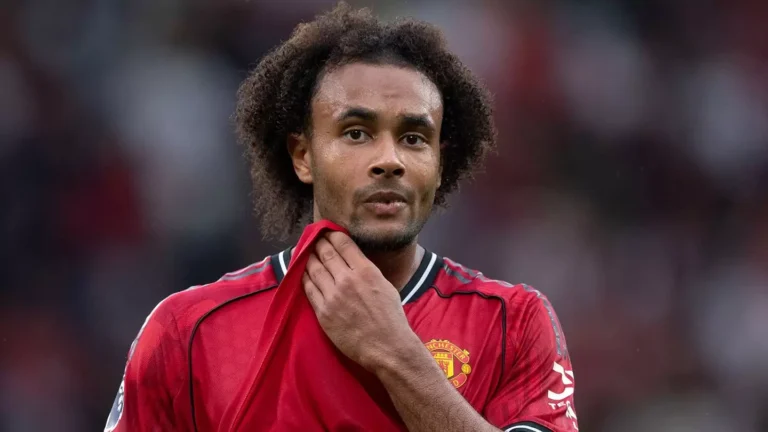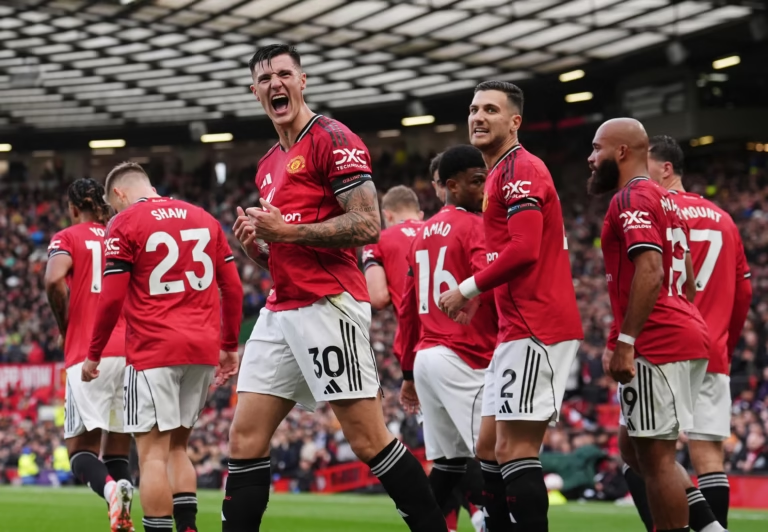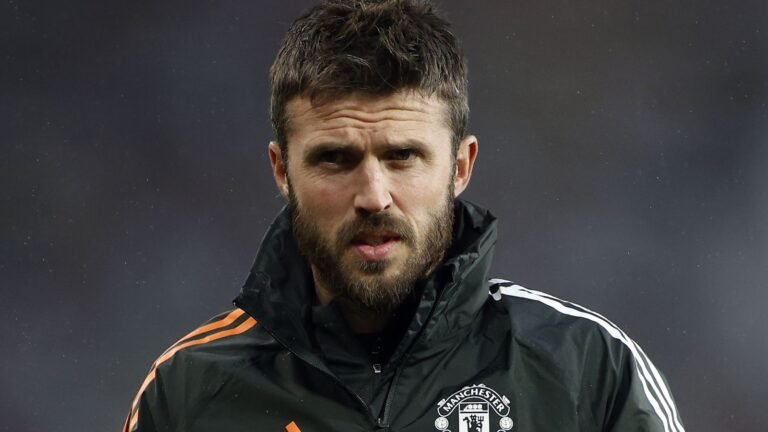

Scott McTominay has spoken out on the recurring claim that players suddenly become better after leaving Manchester United. From someone who lived inside the club for years, his message was simple: United gave him everything he needed success still depended on the player.
Why This Conversation Keeps Coming Back
Scott McTominay Manchester United comments didn’t come out of nowhere.
This conversation resurfaces every single season. A former United player has a good run elsewhere, and instantly the verdict is delivered: “United ruined him.” The club becomes the convenient villain, the player the misunderstood victim.
As a Manchester United fan, I’ve seen this pattern too many times. It’s emotional, it’s reactionary, and more often than not, it lacks context.
That’s why McTominay’s comments matter. Not because he’s defending ownership, or managers, or recruitment mistakes but because he’s addressing something deeper: personal responsibility in elite football.
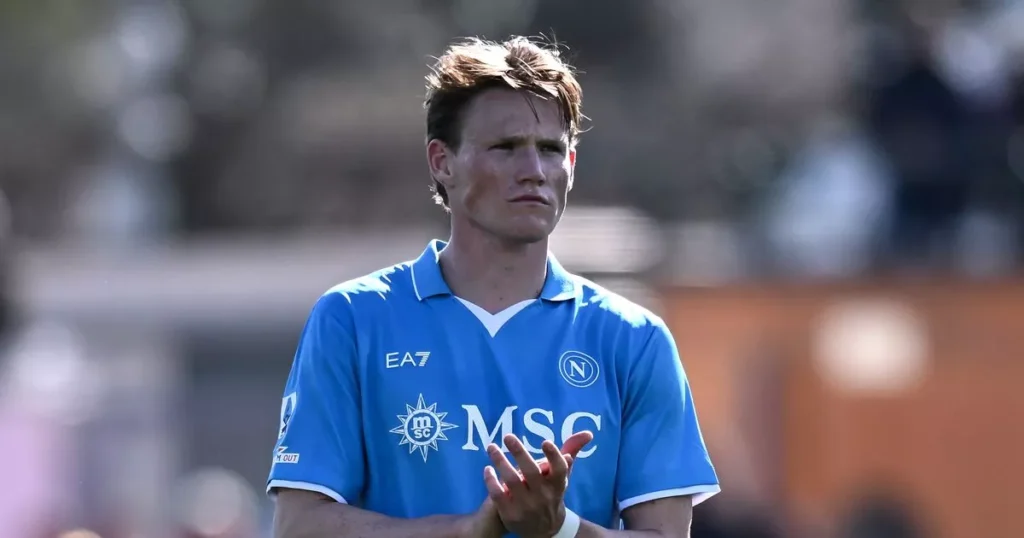
Life Inside Manchester United Isn’t What Fans Imagine
There’s a massive gap between how fans imagine football clubs operate and how they actually function internally.
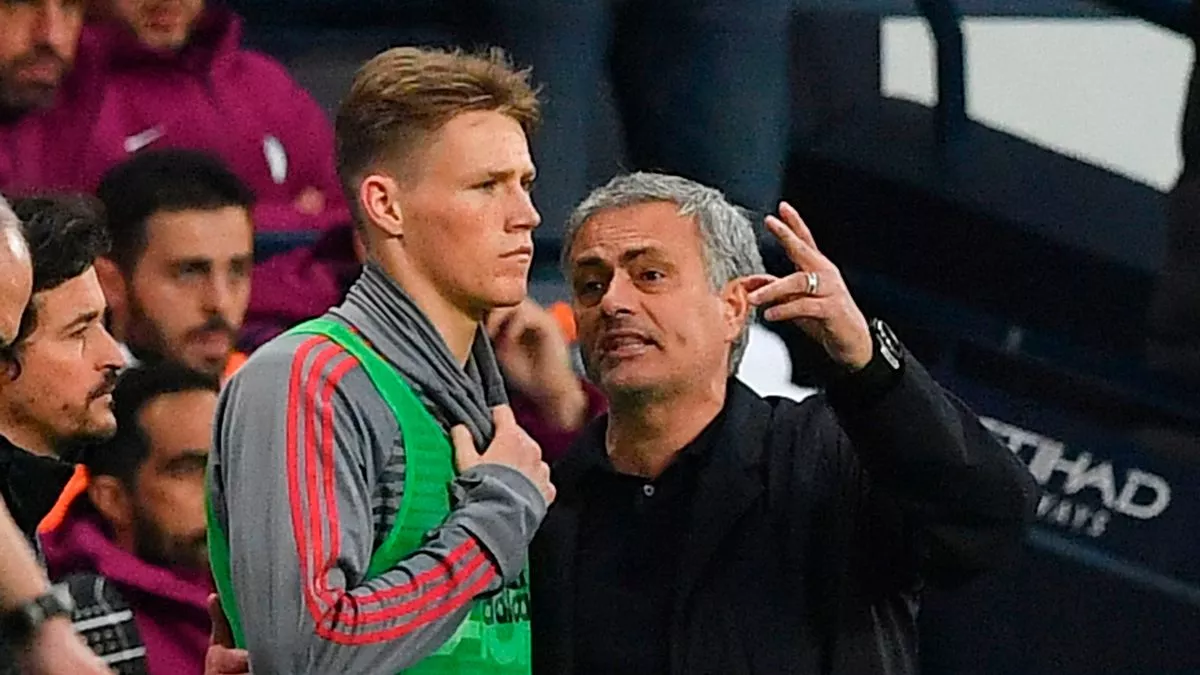
Scott McTominay didn’t arrive at United as a superstar signing. He came through the academy. He learned the standards early. He trained under Jose Mourinho, played through transitional chaos, and still remained available whenever the team needed him.
When he says “everything was put there for you to succeed”, that isn’t PR talk. That’s someone talking about:
- World-class training facilities at Carrington
- Elite sports science and medical teams
- Tactical preparation and video analysis
- Access to top-level coaching
- Mental and physical performance support
What United struggled with was consistency on the pitch, not access to resources.
Details: Scott McTominay’s United Career in Context
Player profile
- Name: Scott McTominay
- Position: Central / Box-to-Box Midfielder
- Appearances: 250+
- Goals: Crucial goals, often in big moments
- Managers played under: Mourinho, Solskjær, Rangnick, Ten Hag
McTominay was never meant to be Paul Pogba. He wasn’t signed to dominate headlines. His role was often functional balance, discipline, energy.
Yet time and again, he was judged as if he was failing a role he was never signed to play.
This is something fans often overlook.
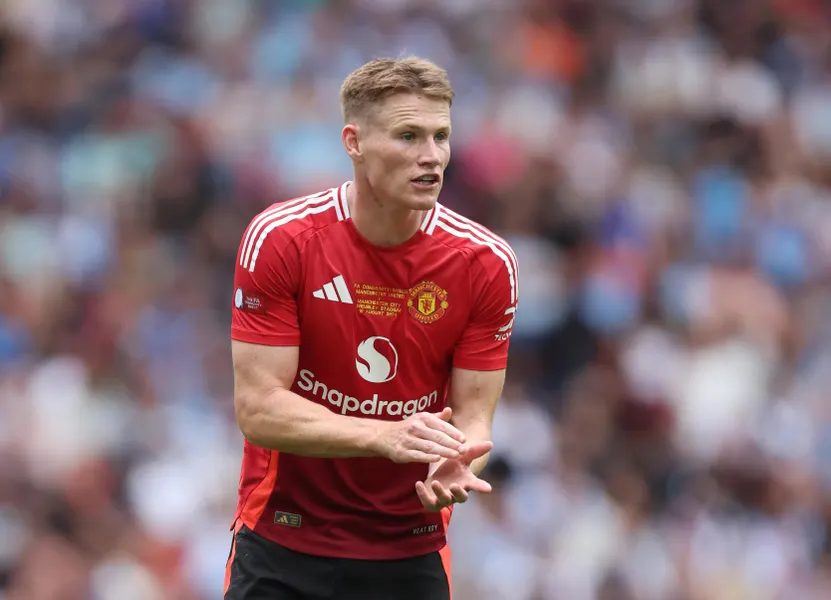
Analysis: The Dangerous Narrative Around “Leaving United”
Here’s the uncomfortable truth:
Some players improve after leaving United because pressure drops.
That doesn’t mean United made them worse.
At Manchester United:
- Mistakes are magnified
- Confidence is fragile
- Every pass is judged
- Every bad game trends on social media
McTominay is pushing back against the idea that the club itself blocks development. He’s saying the environment exists what happens inside it is still down to the individual.
And honestly? That’s fair.
Personal Take: Why I Respect McTominay’s Honesty
As a fan, I don’t agree with everything United has done over the years. Recruitment mistakes were made. Tactical confusion existed. Leadership at the top failed the football side.
But blaming the club for every player’s shortcomings is lazy.
McTominay could’ve played the sympathy card. He didn’t.
Instead, he said:
“They did everything for me.”
That’s not bitterness. That’s maturity.
Responsibility vs Comfort: The Big Difference After Leaving
Let’s be real.
When players leave United:
- Expectations drop
- Media pressure softens
- Mistakes don’t trend worldwide
- Confidence returns quicker
That doesn’t mean they suddenly learned football elsewhere.
McTominay Manchester United comments force us to ask a tougher question:
Did the player improve… or did the environment simply stop exposing weaknesses?
Why Fans Struggle With This Perspective
Fans want simple answers.
It’s easier to say:
- “United ruins players”
than to say: - “Some players couldn’t handle the weight of United.”
That doesn’t make them bad footballers. It makes United a different level of challenge.
What This Means for Current United Players
This message should resonate inside the dressing room.
Facilities don’t win matches.
Excuses don’t build careers.
Responsibility does.
Young players need to understand that success at United requires:
- Mental resilience
- Tactical discipline
- Consistency under pressure
McTominay survived because he accepted that reality.
What Next: Will This Change the Narrative?
Probably not overnight. But it should.
Fans need to separate:
- Structural failures
from - Individual accountability
Scott McTominay comments don’t absolve the club, they simply refuse to turn players into victims.
In an era of easy narratives, he chose a harder truth:
Manchester United didn’t fail him, football demanded more from him.
That’s a reality many don’t want to hear.
More updates coming as the story develops.